
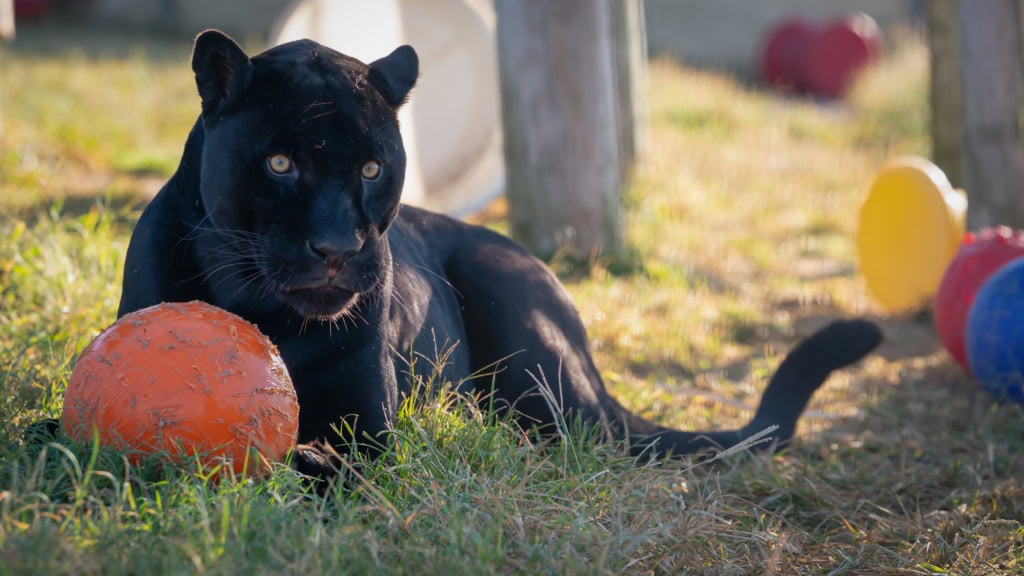
At Turpentine Creek Wildlife Refuge, rescuing an animal from a harmful situation is only the first step. Once a big cat has been medically stabilized and moved into a safe habitat, an entirely different form of healing begins—one rooted in rebuilding well-being, restoring mental health, and helping each animal learn what it means to experience life differently after trauma.
Trauma doesn’t only leave physical marks. It alters how an animal relates to the world.
Just like humans who endure chronic stress, neglect, or fear, animals may become hyper-alert, mistrustful, or easily overwhelmed. Years of unpredictability and mistreatment shape how they feel, behave, and navigate their environment.
At TCWR, our work goes far beyond immediate physical recovery. We focus on creating a life where an animal feels secure, empowered, and emotionally supported—where they can finally discover what safety and comfort truly feel like.
Two of our residents, Bagheera the jaguar and Mama Shakira the white tiger, demonstrate the transformative power of this process.
Physical Rescue Comes First — Safety Creates the Foundation
When a big cat arrives at TCWR, our team immediately works to stabilize their physical health. Many come from years spent in inadequate enclosures, without proper nutrition, enrichment, or veterinary care.
Our physical rehabilitation includes:
- Spacious, natural habitats that encourage movement and natural behaviors
- High-quality nutrition to restore strength
- Veterinary care that treats injuries, disease, or chronic conditions
- Predictable routines that help the animal’s body and brain relax
Physical safety is the doorway to emotional growth. Once an animal’s body begins to heal, their mental and emotional landscape can begin shifting toward security, calm, and trust. Once an animal feels physically safe, they can start to recover mentally and experience the world in a healthier way—something that takes time, patience, and a specialized approach.
Emotional Healing: Helping to Experience Safety and Trust Again
Just like people who’ve lived through stress or trauma, animals can become stuck in “survival mode.” Their bodies stay on high alert because, for years, danger really was around every corner.
TCWR’s approach helps shift animals from fight-or-flight into a calmer, regulated state where healing can occur.
Bagheera and Mama Shakira both demonstrate this transformation in different ways.
The Five Freedoms of Animal Welfare: A Framework for Mental and Emotional Health
TCWR’s care model is rooted in the internationally recognized Five Freedoms of Animal Welfare, which guide organizations in supporting both physical and emotional health.
While all five are essential, the last two—the Freedom to Express Normal Behavior and the Freedom from Fear and Distress—are especially critical to an animal’s mental health, sense of well-being, and ability to experience life differently after trauma.
1. Freedom from Hunger and Thirst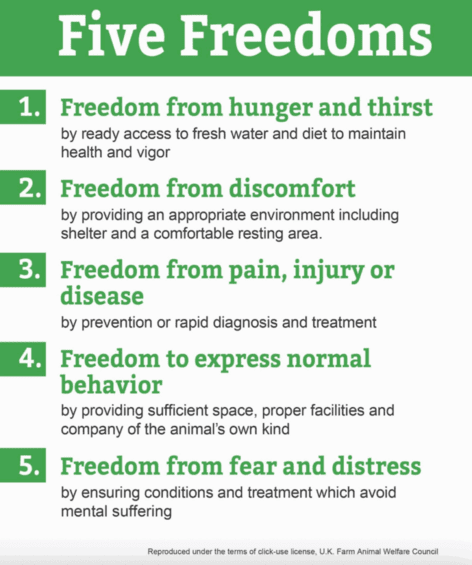
Access to fresh water and a diet tailored to each species’ needs restores physical stability.
2. Freedom from Discomfort
Proper shelter, clean enclosures, and climate considerations help animals feel safe and physically at ease.
3. Freedom from Pain, Injury, or Disease
Regular medical care ensures animals can recover and thrive without untreated suffering.
4. Freedom to Express Normal Behavior
This is where emotional well-being begins.
At TCWR, large, naturalistic habitats allow big cats to explore, climb, stalk, lounge, hide, or play—activities that nurture confidence, independence, and mental flexibility.
5. Freedom from Fear and Distress
Trauma leaves animals expecting danger at every turn.
TCWR prioritizes environments and routines that reduce fear, build trust, and help animals feel truly secure. This is the heart of emotional recovery.
When these freedoms are upheld, animals begin experiencing their lives differently—not as a chain of stress responses, but as a series of choices, comforts, and opportunities to feel safe and fulfilled.
Emotional Healing: Relearning Safety and Experiencing Life Differently
Animals who arrive from trauma often live in a perpetual state of “survival mode.” Their bodies and minds remain on high alert because danger was once a constant reality.
TCWR’s approach helps animals shift from fear to confidence, from distress to curiosity, and from guardedness to genuine engagement with their environment.
Bagheera and Mama Shakira each demonstrate this profound transformation.
Bagheera: From Hypervigilance to Confidence

When Bagheera arrived in 2021, he had lived in a barren 20’×40’ enclosure at Tiger King Park, sharing the space with two larger white lionesses. For a solitary jaguar, this was a constant source of stress. He often hid in a corner, and he had hair loss on his hindquarters—a sign of chronic anxiety.
He also reacted aggressively to cameras, likely because they had been used around him in exploitative cub-petting or pay-to-play situations.
These behaviors show what it looks like when an animal’s nervous system is stuck in survival mode.
At TCWR, simply giving Bagheera his own habitat—quiet, safe, and full of choices—made an big difference. His stress decreased. His hair grew back. He began exploring, running, climbing, and observing his surroundings without fear.
One of the clearest signs of Bagheera’s improved well-being is his habit of collecting and storing toys in his night house—a comforting ritual that reflects a sense of ownership and security. His tail fur, once missing due to stress-related overgrooming, has fully grown back. And perhaps most notably, he now confidently climbs and explores the elevated platforms designed specifically for jaguars and leopards. For a cat who once lived pressed into a corner beside two much larger lions, these behaviors show just how differently he now experiences his life at TCWR.
This change is exactly what it looks like when the nervous system relearns safety after years of insecurity.
Mama Shakira: Building Trust Through Consistency and Care
Mama Shakira was rescued in 2016 during our Colorado Project. Before arriving at TCWR, she endured years of exploitation in magic shows and was later speed-bred to produce cubs for the cub-petting industry. Many of her cubs suffered or died due to neglect.
By the time she reached the Refuge, Shakira had learned that humans were a threat. She would snarl, pace, and lunge at the fence whenever staff approached—classic signs of a nervous system stuck in a defensive state.
Instead of expecting her to “get over it,” our team reshaped everything around helping her feel safe.
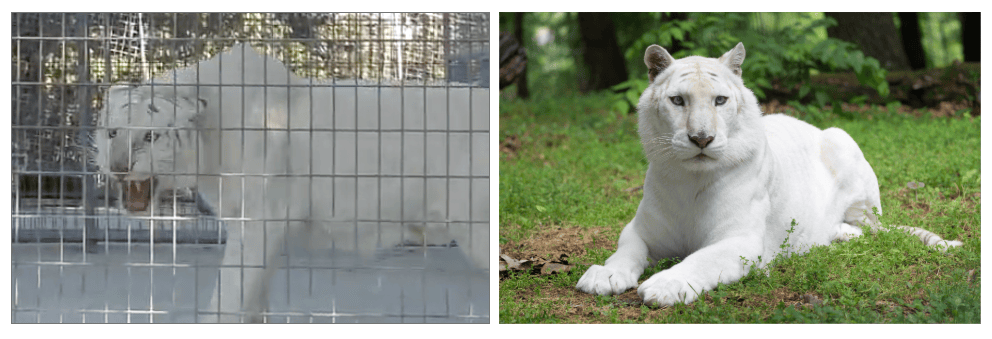
Here’s how we supported her emotional and neurological recovery:
1. Calm, consistent interaction
Animal Curator Emily McCormack spent hours each week speaking gently to Shakira from outside the habitat. Over time, those neutral interactions helped Shakira’s brain associate humans with safety instead of fear.
2. Adjusted daily routines
Because traditional maintenance stressed her, staff enter her habitat early in the morning while she is still in her night house. During storms, when she must be secured indoors, caretakers approach on foot rather than in a loud vehicle.
These small changes prevent her nervous system from spiking into fight-or-flight.
3. Positive sensory experiences
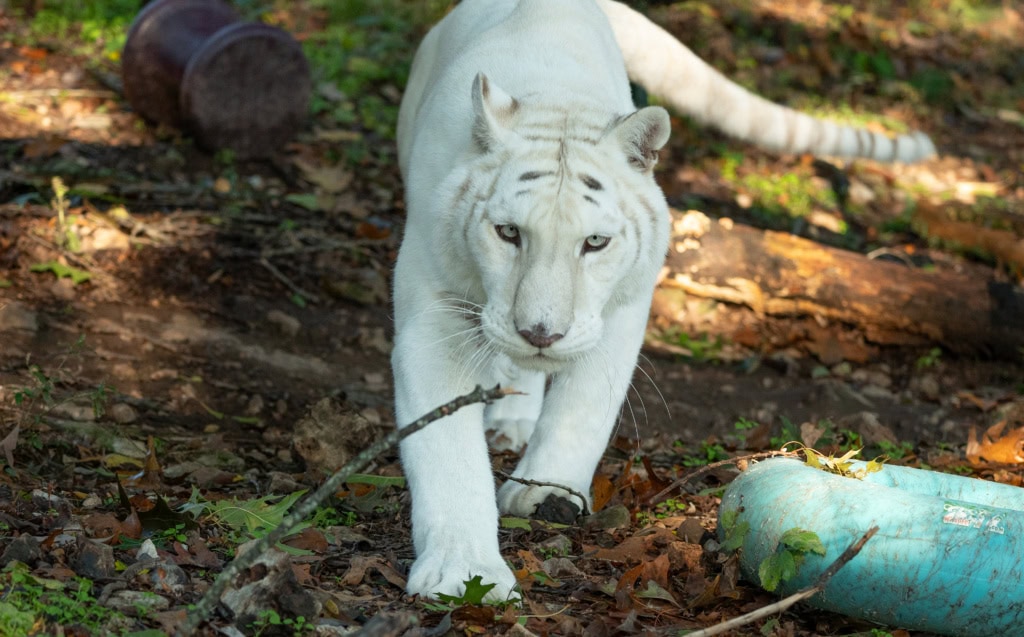
Shakira now loves hose showers on hot days—sometimes even rolling onto her back, a vulnerable position she never would have shown in her early days at TCWR. This behavior signals a regulated nervous system, one that no longer assumes danger at every moment.
Though she may always be sensitive, Shakira now lives with peace, predictability, and trust—something she never had before.
Why Mental Health Recovery Matters
Healing from trauma—human or animal—is not fast or linear. It takes time, consistency, and compassion.
At TCWR, we support mental and emotional recovery through:
At TCWR, we create that environment through:
- Consistency
- Predictable routines
- Calm, respectful handling
- Choice-based environments
- Specialized enrichment
- Patience and compassion
As an animal learns to live life through a different, healthier experience, they heal from the inside. And, as a result, we see a whole other personality come to life : one that is their own, one that is safe.
Your Support Makes This Healing Possible
Every success story at TCWR—every chuff, every playful pounce, every relaxed nap in the grass—is the result of supporters who believe in giving these animals a second chance. To support this Giving Tuesday, visit turpentinecreek.org/giving-tuesday
You help us rescue them.
You help us heal them.
And you help them rediscover the lives they were always meant to live.