
 There’s something special about a campfire—the glow, the warmth, the stories shared under open skies.
But every summer, fires like these spark something else: wildfires that destroy habitat, displace wildlife, and put already vulnerable animals at risk.
At Turpentine Creek Wildlife Refuge, we’ve seen how human actions ripple far beyond a single moment. Campfire safety isn’t just about you—it’s about the ecosystems and animals who depend on the land around you.
Understanding Fire Is the First Step
Fire is a chemical reaction—combustion—driven by three things: heat, fuel, and oxygen. Remove one, and the fire goes out.
That’s why every safe campfire practice matters:
- Clearing brush removes fuel
- Pouring water removes heat
- Covering with dirt reduces oxygen
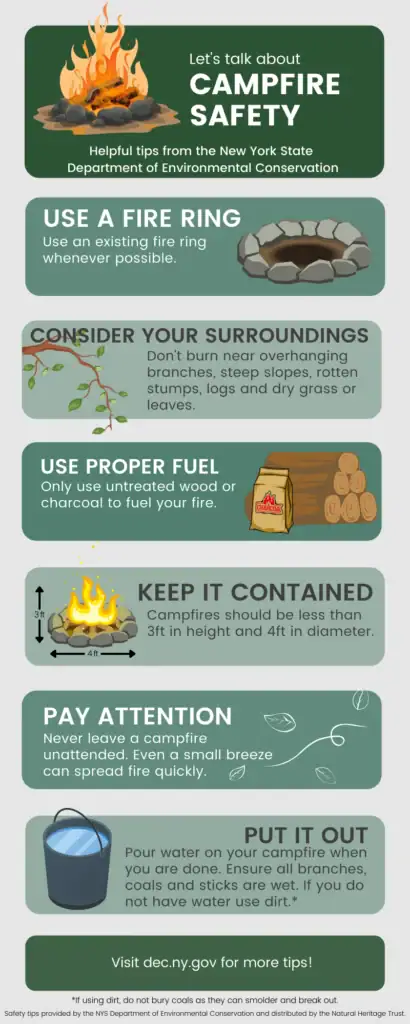
Build Your Fire With Intention
Before you even light a match, the environment matters.
Choose a spot away from trees and dry vegetation, clear at least a 10-foot area, and avoid windy conditions. Dry leaves and grasses ignite quickly—and once a fire spreads, it moves faster than most wildlife can escape.
Responsible Camping Protects More Than You See
Responsible camping and environmental stewardship mean more than good intentions—they mean following local, state, and federal guidelines designed to protect people, wildlife, and ecosystems.
Before lighting a fire, always check for local fire restrictions or bans. These can change daily based on weather, drought conditions, and wildfire risk. You can find current restrictions through your county government website, state forestry agency, or the U.S. Forest Service.
Check fire restrictions here:
https://www.fs.usda.gov/alerts
These rules aren’t arbitrary—they’re based on real-time environmental data and fire behavior science. When conditions are dry, even a small spark can become uncontrollable in minutes. Following these guidelines is one of the simplest—and most important—ways to prevent devastating wildfires and protect wildlife habitat.
Don’t Walk Away Too Soon
A fire that looks out can still burn beneath the surface.
Ash can trap heat, allowing embers to reignite hours later. The safest way to put out a fire is simple:
Drown. Stir. Feel.
- Pour water until everything is soaked
- Stir to expose hidden embers
- Feel for heat—if it’s warm, it’s not out
Proper extinguishing:
Wildfires don’t just burn forests—they destroy homes.
Ground nests, dens, and entire habitats can disappear in hours. Animals that survive are often displaced, injured, or pushed into dangerous situations.
At TCWR, we care for animals who can’t return to the wild. Protecting the ones still out there starts with prevention.
This summer, keep your fire small, stay present, and make sure it’s completely out before you leave.
Because sometimes the most important rescue…is the one that never has to happen.
Additional Resources