
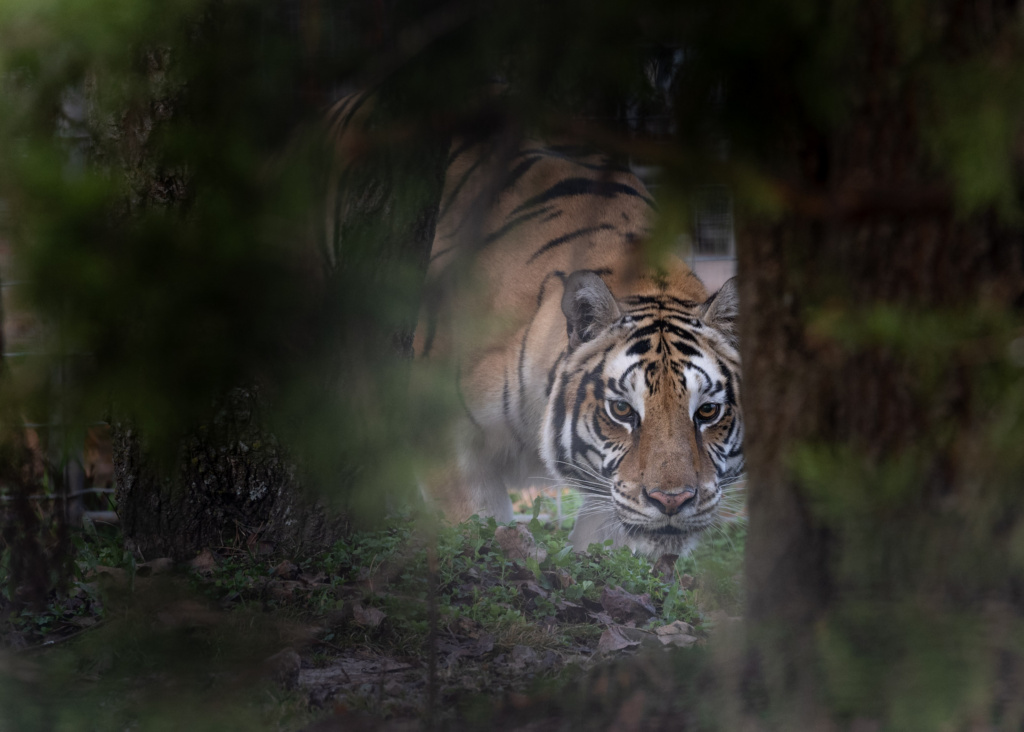
Around the world, wild tiger populations face enormous challenges. Habitat loss, poaching, and illegal wildlife trade have pushed these iconic predators to the brink of extinction. Today, fewer than 4,000 tigers remain in the wild, scattered across fragmented habitats in Asia.
But conservationists know that saving tigers isn’t just about increasing population numbers. A recent peer-reviewed study published in Biodiversity and Conservation highlights another critical factor in tiger survival: genetic diversity.
The Hidden Threat to Wild Tiger Populations
Genetic diversity refers to the variety of genes within a population. This diversity helps animals adapt to environmental changes, resist disease, and maintain healthy reproduction over generations.
When populations become small and isolated, genetic diversity begins to disappear. Over time, this can lead to inbreeding, lower fertility, weakened immune systems, and greater vulnerability to extinction.
The new research examined the Malayan tiger (Panthera tigris jacksoni), one of the world’s most endangered tiger subspecies. By analyzing DNA samples collected across Peninsular Malaysia, scientists found that the remaining population has very low genetic diversity.
This decline is largely due to dramatic population loss. In the past century, tiger populations in the region have fallen by more than 95%, leaving small groups separated by roads, agriculture, and development.
Why Wildlife Corridors Are Essential
One of the most important findings from the study is that connectivity between habitats can help preserve genetic health.
When tigers can move freely between forests, they can breed with individuals from different populations. This movement helps maintain genetic diversity and reduces the risks associated with inbreeding.
However, when forests become fragmented and wildlife corridors disappear, populations become isolated. Without that connection, genetic diversity continues to decline.
Protecting habitat and restoring wildlife corridors for tigers is essential for the long-term survival of the species.
Protecting Tigers Starts with Protecting Their Genetic Future
At Turpentine Creek Wildlife Refuge, we see the consequences of poor captive breeding practices firsthand.
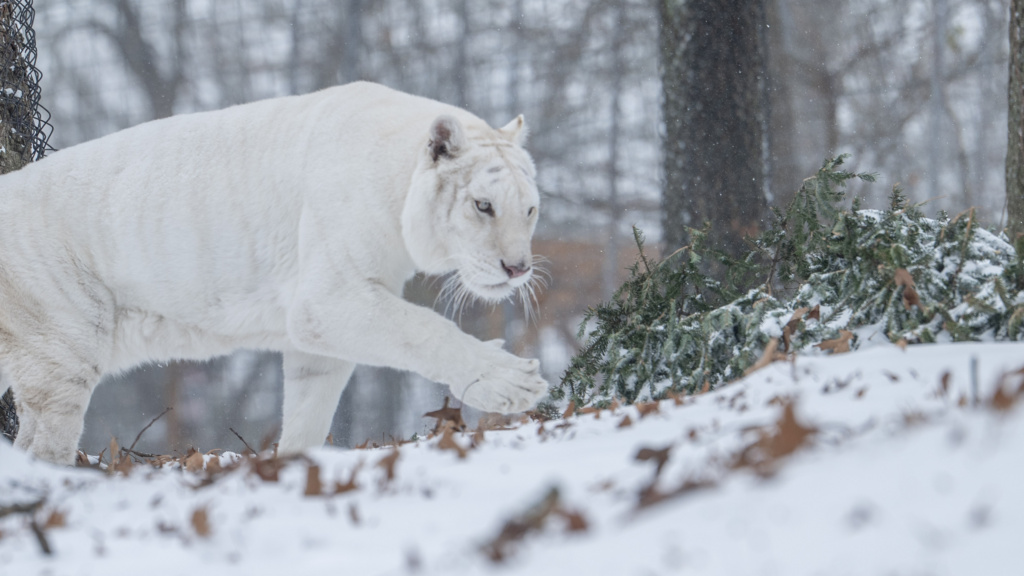
Many of the tigers rescued and given lifelong care at the Refuge were born in facilities that prioritized profit over animal welfare. In roadside zoos, cub-petting operations, and private breeding facilities, tigers are often intentionally inbred to produce white tigers or other rare color variations that attract visitors and generate revenue.
White tigers are not a separate species or subspecies. They result from a recessive genetic trait that only appears when closely related tigers are bred together. To produce these animals repeatedly, breeders often pair siblings or parent-offspring, leading to severe inbreeding.
The result can be devastating for the animals.
Many white tigers—and other tigers bred in these systems—suffer from genetic abnormalities, skeletal deformities, immune deficiencies, neurological disorders, and shortened lifespans. Others are bred without regard for subspecies, creating so-called “generic” or “American” tigers that are genetically mixed and no longer represent any naturally occurring tiger population.
At Turpentine Creek, these animals receive compassionate care for the rest of their lives. But their stories highlight a much larger problem: captive breeding programs that prioritize appearance and profit over the dignity and welfare of the animals.
Ending these practices is critical for the future of tigers.
Facilities that mass-produce cubs for entertainment or photo opportunities contribute nothing to conservation. Instead, they flood the market with surplus animals, many of whom eventually require rescue by accredited sanctuaries like Turpentine Creek.
True conservation must focus on protecting wild tiger populations and their genetic diversity. Healthy ecosystems and connected habitats allow tigers to breed naturally, maintaining the genetic strength needed for long-term survival.
By eliminating exploitative captive breeding and protecting wild habitats, we can ensure that tigers are valued not for their novelty, but for their rightful place as powerful, essential predators in the wild.