
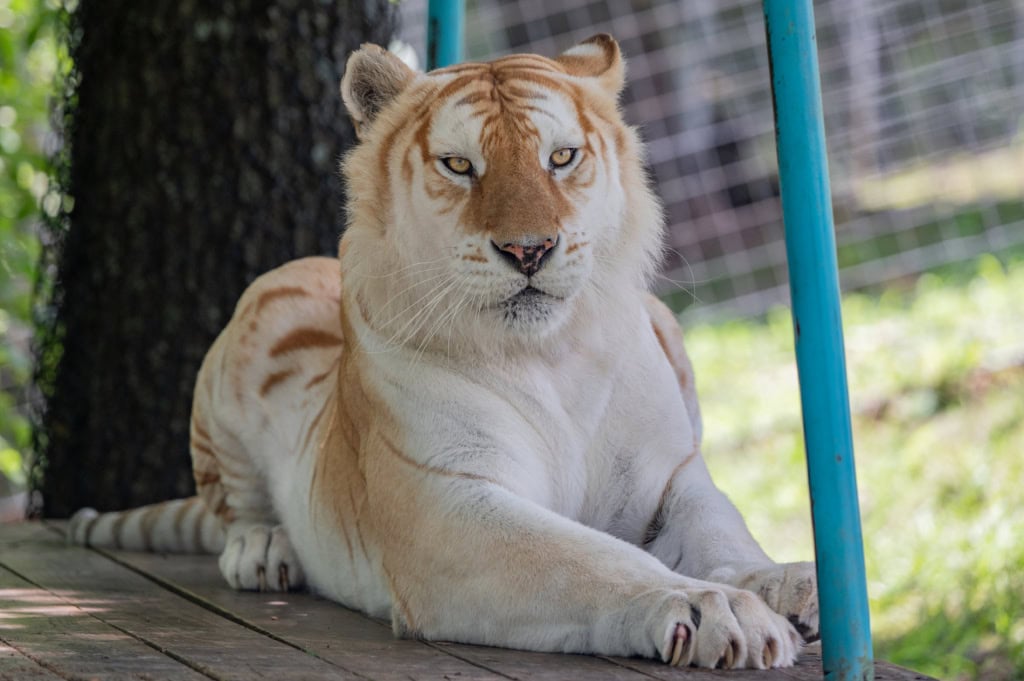
For many Americans, visiting a safari park is a thrilling way to experience the wonder of exotic animals—right here in the United States. These parks offer a taste of the wild without the need for a passport, allowing guests to see incredible, rare, and endangered species like lions, tigers, and giraffes up close. But not all safari parks are created equal, and some come at a much higher cost than the price of admission.
What Is a Safari Park, Really?
At its core, a safari park is a commercial tourist attraction where visitors pay to drive through enclosures and view exotic and rare animals up close. While it may appear to be an immersive, wildlife-friendly experience, it’s important to remember that the animals are not roaming wild—they are kept in captivity for entertainment and human enjoyment. Unlike true conservation programs or sanctuaries that prioritize the animals’ well-being, the business model of many safari parks centers around using animals to generate revenue. Unless a park is transparently accredited and actively contributing to animal welfare or conservation, the animals often serve no purpose beyond attracting crowds and making money.
Why Accreditation Is Everything
When planning a visit to any wildlife facility, doing a little research is essential. The Association of Zoos and Aquariums (AZA) and the Global Federation of Animal Sanctuaries (GFAS) are two of the most respected accrediting bodies in the animal care world. Facilities that meet their rigorous standards have demonstrated a commitment to exceptional animal welfare, ethical operations, and conservation.
If a facility is not accredited, it’s worth asking why.
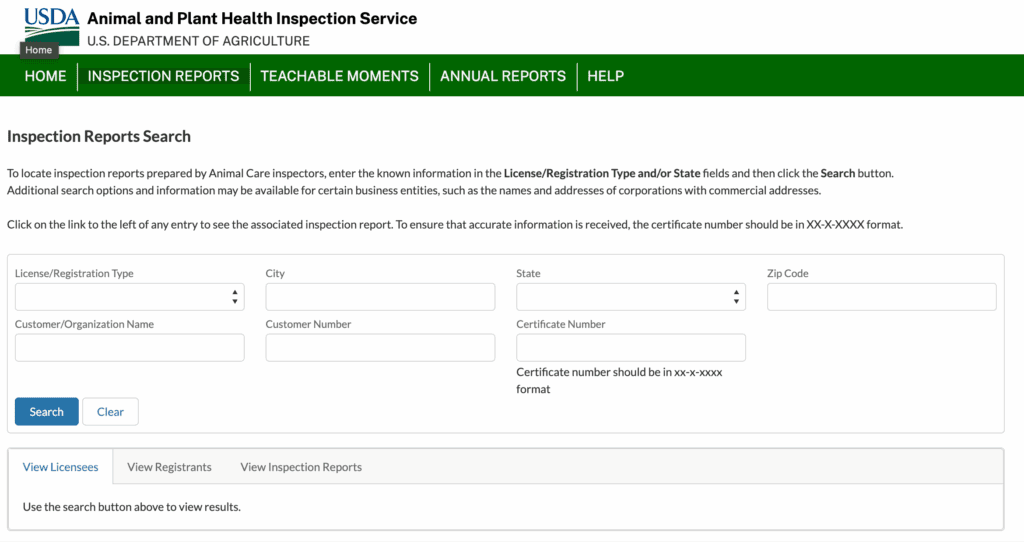
Another helpful resource is the USDA APHIS Inspection Reports database, where visitors can view public records on a facility’s history of compliance or violations under the Animal Welfare Act. You can access that tool here: USDA APHIS Inspection Reports.
What About Unaccredited Safari Parks?
While some safari parks—such as Fossil Rim Wildlife Center, Omaha’s Henry Doorly Zoo & Aquarium, and the San Diego Zoo Safari Park—are accredited and directly contribute to global conservation, many others are not.
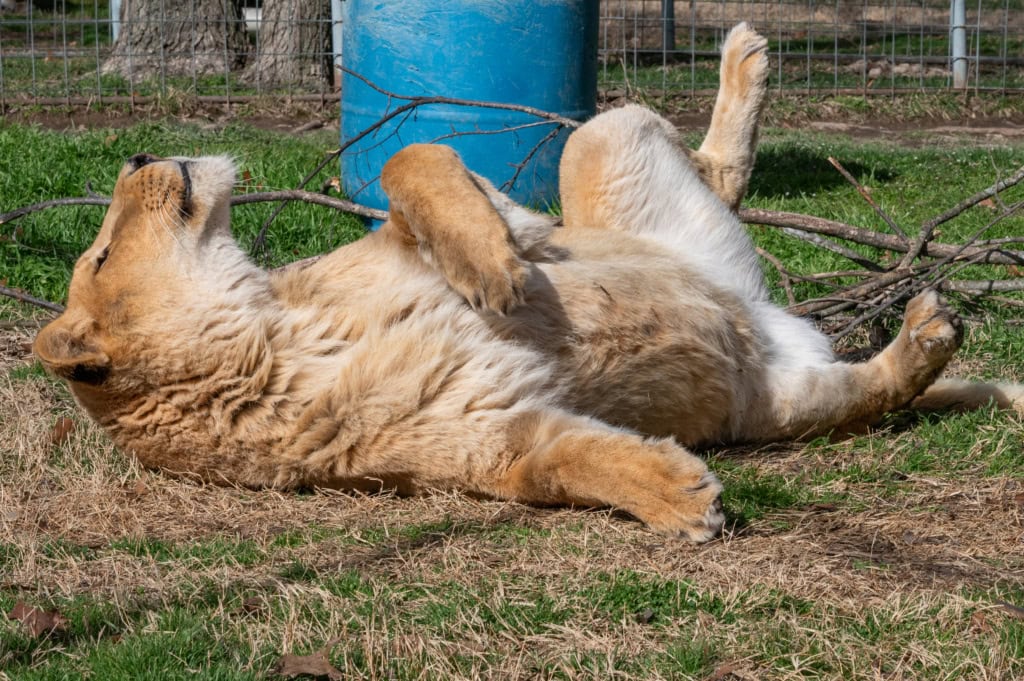
Unaccredited parks often fall into a category known as roadside zoos or pseudo-sanctuaries. These facilities may prioritize profit and entertainment over animal welfare, cutting corners on care, space, and enrichment. Sadly, many animals rescued by accredited sanctuaries, such as TCWR, located in Eureka Springs, come from places where they were mistreated, neglected, or bred solely for commercial purposes.
By supporting these unaccredited parks, visitors may unknowingly fund:
- Animal exploitation through cub petting, forced photo ops, and frequent breeding
- Neglect and provide inadequate veterinary care
- Unethical trade or abandonment of animals once they grow too large or costly
- A lack of transparency about the facility’s practices and finances
- Zero contribution to conservation efforts, both domestic and international
When Tourism Helps—And When It Hurts
While it may seem more affordable and convenient to visit a safari park in the U.S., it’s essential to look at the bigger picture. Many international wildlife destinations—especially in Africa—use tourism as a force for good. When you spend your money at an accredited conservation facility abroad, you’re often supporting local communities, protecting wild habitats, and deterring illegal poaching.
Your dollars fund real conservation work, creating socio-economic incentives for locals to protect rather than exploit the animals and environments around them. Conversely, you’re perpetuating a cycle of exploitation and neglect when you support unaccredited U.S. safari parks that fail to contribute to conservation.
What You Can Do
- Research before you visit—look for AZA or GFAS accreditation
- Avoid facilities that offer cub petting, exotic animal selfies, or circus-style shows
- Support true sanctuaries and conservation-focused organizations
- Share what you’ve learned with friends and family to help spread awareness
Your choices matter. At TCWR, we believe ethical wildlife experiences should be educational, compassionate, and conservation-driven—but most importantly, they should serve the animals first.
Our mission is to rescue and provide lifetime sanctuary for captive wild animals. Everything we do is rooted in that purpose. Our habitats aren’t designed for the convenience of human spectators—they’re built to give animals the choice to retreat, roam, rest, or interact on their terms. Here, the animals have agency over their lives, many for the first time.
We’ve invested in a state-of-the-art veterinary hospital, a meticulously run commissary, and a best-in-class animal care program that prioritizes enrichment, behavioral wellness, and individualized diets and supplements. Our team monitors every animal’s health, history, and habits with unmatched attention to detail—because lifetime sanctuary doesn’t just mean a place to survive. It means a place to truly live.
When you support TCWR, you’re not just witnessing wildlife—you’re helping rewrite the story of animals who were once exploited, and are now finally free to be wild animals.
