
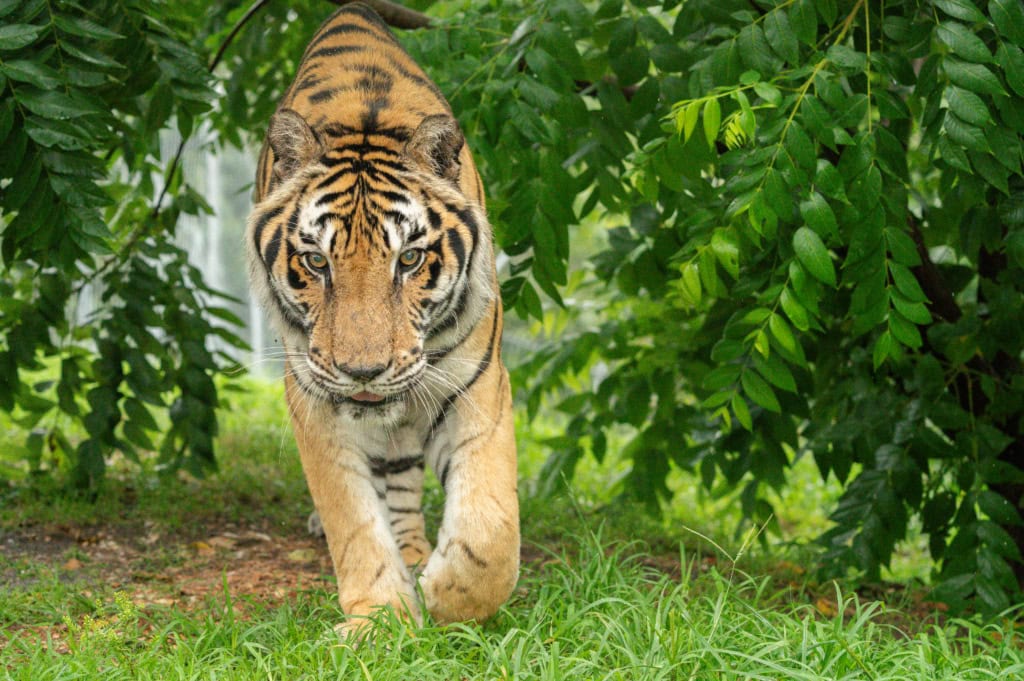
One of the questions we hear most often is simple: When is the best time to visit Turpentine Creek Wildlife Refuge?
The answer depends on what kind of experience you’re looking for—but every season offers something unique. Whether you’re visiting during the vibrant colors of autumn, the fresh blooms of spring, the quiet beauty of winter, or the warmth of summer, each visit provides an opportunity to connect with rescued wildlife, nature, and the stories of animals who have finally found a place to call home.
What makes a visit to Turpentine Creek different from visiting a traditional zoo is understanding that the animals here are not on display. They are residents of a sanctuary.
A Sanctuary First
At Turpentine Creek Wildlife Refuge, every habitat is designed around the needs of the animals who live here. As a GFAS-accredited sanctuary, our mission is to provide lifelong care for big cats and other wildlife rescued from situations of abuse, neglect, exploitation, or private ownership.
In many traditional zoological settings, habitats must balance animal welfare with public viewing and educational opportunities. Sanctuaries operate differently. Our habitats are designed to give animals choices—choices many of them never had before arriving here.
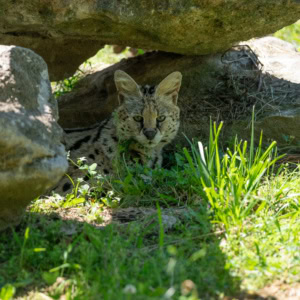
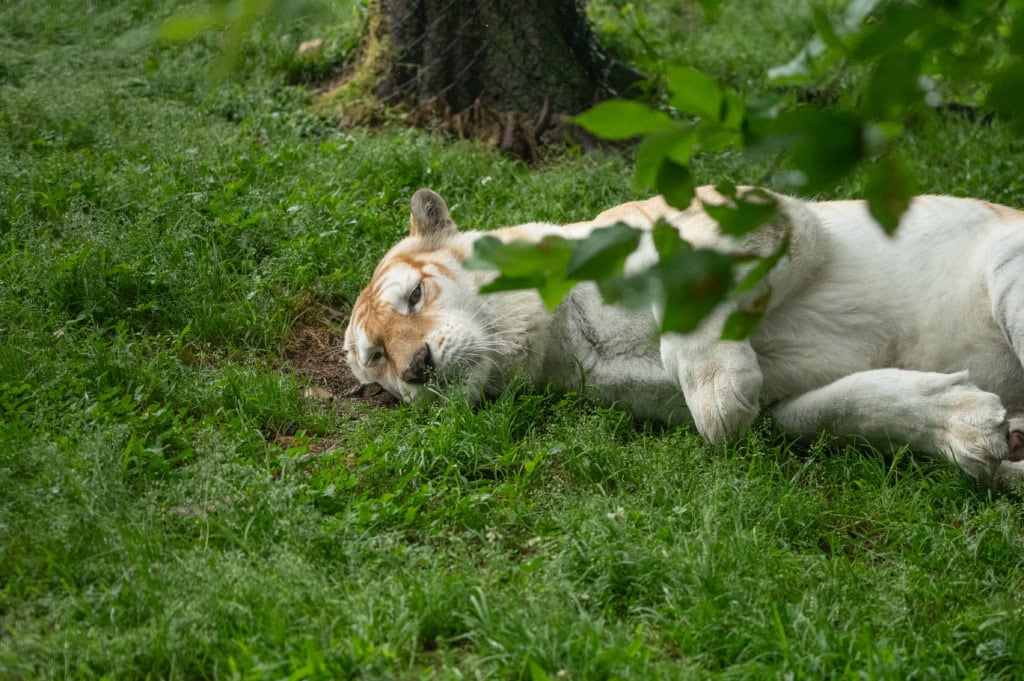
That means animals can choose where to spend their day. They may relax in the shade beneath dense trees, cool off in a pool, retreat to a den, nap on a platform, or explore areas that are completely out of view. Their comfort comes first.
For many guests, this is one of the most meaningful lessons a sanctuary can teach: healing often looks like freedom to choose.
Understanding Big Cat Behavior
To understand the best time to see the cats, it helps to understand how they naturally live.
Most big cat species—including lions, tigers, leopards, and cougars—are considered crepuscular, meaning they are naturally most active during the twilight hours around sunrise and sunset. This behavior helps them avoid the hottest parts of the day while taking advantage of conditions that historically made hunting easier in the wild.
Scientific studies have shown that many large felines increase their activity during these cooler periods when temperatures are lower and energy expenditure is reduced. Even cats born in captivity often retain these natural behavioral patterns.
Just like their wild counterparts, many of the residents at Turpentine Creek prefer to spend the middle of the day resting and conserving energy.
Visiting During Summer
Summer is one of the most popular times to visit Northwest Arkansas, but it’s also important to understand what the season means for the animals.
Like people, big cats feel the effects of high temperatures. During the hottest hours of the day, many choose to rest in cool dens, shaded areas, pools, or secluded portions of their habitats. Because they live in a sanctuary, they have the freedom to make those choices.
For guests hoping to see the cats at their most active, morning and evening visits are often ideal during the summer months. Cooler temperatures frequently encourage more movement, play, exploration, vocalization, and social interactions.
It’s not uncommon to hear lions calling across the refuge during the early morning hours or to see tigers enjoying a swim as temperatures begin to cool later in the day.
The midday hours can be quieter—but that quiet is part of the sanctuary experience. Knowing that an animal has the ability to rest comfortably out of public view is a reflection of the life we strive to provide.
Every Season Offers Something Different
Spring brings new growth, comfortable temperatures, and increased activity throughout the refuge. Many animals become more active as the weather moderates, and the Ozarks come alive with wildflowers and migrating wildlife.
Summer offers lush landscapes, longer days, and opportunities to experience the refuge alongside the sounds of nature. Early mornings and evenings are especially rewarding.
Fall is a favorite for many guests. Cooler temperatures often encourage more daytime activity, while the surrounding Ozark Mountains transform into a tapestry of red, orange, and gold.
Winter provides a quieter, more intimate experience. Many cats become more active in cooler weather, and visitors often enjoy unobstructed views through the bare trees. Watching a tiger stroll through a frosty habitat or hearing a lion’s roar echo across a crisp winter morning can be unforgettable.
More Than a Place to See Animals
While education is an important part of our mission, it is never achieved at the expense of the animals’ well-being.
A visit to Turpentine Creek is not simply about checking animals off a list or guaranteeing a sighting around every corner. It is about understanding the realities of rescue, rehabilitation, and lifelong sanctuary care. It is about recognizing that the animals living here deserve the opportunity to make their own choices.
In many ways, Turpentine Creek serves as a sanctuary for people as well.
Surrounded by the beauty of the Ozarks, guests are invited to slow down, reconnect with nature, and experience a different relationship with wildlife—one built on respect rather than entertainment. Here, the greatest lesson may not be what you see, but what you learn about giving animals the space and dignity they deserve.
So when is the best time to visit Turpentine Creek Wildlife Refuge?
The best time is whenever you can come with an appreciation for what a true sanctuary represents: a second chance for rescued animals and an opportunity for all of us to reconnect with the natural world.