
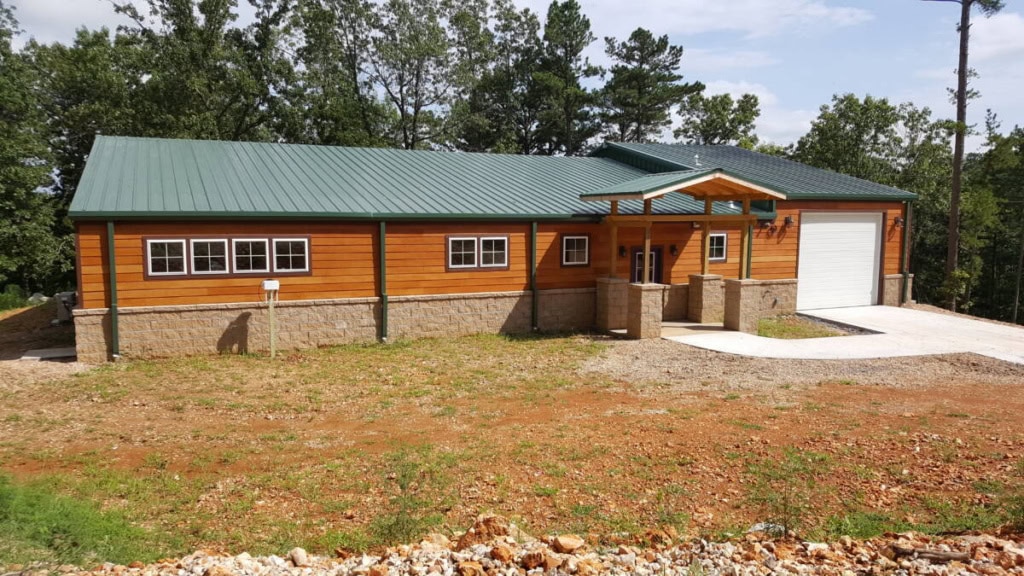
When most people imagine veterinary medicine at a wildlife sanctuary, they picture dramatic surgeries or emergency rescues. Those moments certainly happen, but they represent only a small part of what it takes to provide lifelong care for nearly 100 rescued big cats and other wild animals.
At Turpentine Creek Wildlife Refuge, our veterinary hospital is constantly working behind the scenes. Every day is built around prevention, observation, planning, and individualized care. The goal isn’t simply to treat illness—it’s to help every resident live the healthiest, most comfortable life possible.
Because no two animals arrive with the same history, no two treatment plans are exactly alike.
Every Animal Has a Story—and a Medical Plan
Many of the animals who call the Refuge home were rescued from situations involving neglect, improper nutrition, unqualified ownership, or years without appropriate veterinary care. Some continue to live with lifelong conditions such as the detrimental bone deformities that resulted from past metabolic bone disease’
That means our veterinary team doesn’t simply react to problems as they arise. They are constantly evaluating each resident’s condition, adjusting medications, monitoring pain management, and looking for subtle changes that could indicate an emerging health concern.
Every week begins with a comprehensive review of ongoing medical cases. Treatment plans are discussed, progress is evaluated, and medications or therapies are adjusted when necessary. It’s a continual process that evolves alongside each animal.
The Work That Visitors Rarely See
Before a veterinarian ever performs an examination or surgery, countless hours are spent preparing the hospital itself.
Diagnostic equipment requires routine maintenance to ensure it is ready whenever it’s needed. Medical instruments are inspected, calibrated, and maintained. Prescription medications, controlled substances, and medical supplies are inventoried and restocked. Detailed medication logs are updated to meet strict veterinary and regulatory standards.
These responsibilities may not be glamorous, but they are essential. A well-prepared hospital allows our team to respond immediately when an emergency arises.
Twice-Daily Medication Preparation
One of the most important daily responsibilities happens long before most visitors arrive.
Every morning and every evening, the veterinary team prepares individualized prescription medications for animals throughout the Refuge.
Some medications are carefully hidden inside specially prepared meatballs or favorite food items. Others require unique delivery methods based on an individual animal’s personality, dietary needs, or behavioral training.
Because many residents receive multiple medications, every dose is carefully measured, documented, and double-checked before it reaches Animal Care staff.
For animals with chronic medical conditions, this happens every single day of the year.
Wellness Care Never Stops
Routine wellness examinations are one of the most valuable tools in preventive medicine.
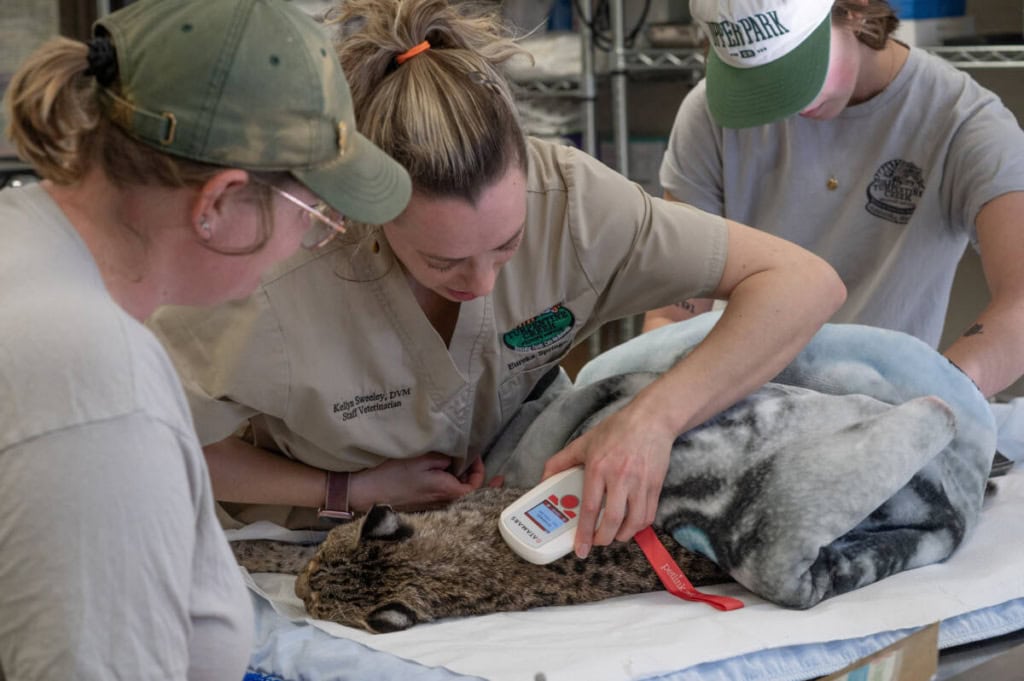
Throughout the year, our veterinary team schedules comprehensive health evaluations that may include physical examinations, blood work, imaging, dental care, and other diagnostics while animals are safely under anesthesia.
These planned procedures allow veterinarians to identify problems early—often before visible symptoms appear.
Of course, schedules can change in an instant.
Emergencies happen without warning, requiring the team to immediately transition from routine care to urgent diagnostics or surgery. Whether responding to an injury, illness, or unexpected medical emergency, the hospital is prepared to provide advanced care whenever it’s needed.
Every Sample Tells a Story
Veterinary medicine often resembles detective work.
Blood smears are examined under the microscope as they are collected. Urinalyses help evaluate kidney function and hydration. Fecal examinations are performed throughout the year to monitor parasites and digestive health.
Each laboratory result adds another piece to the overall picture of an animal’s health, allowing our veterinarians to make informed decisions about treatment and long-term care.
Nutrition Is Medicine
What an animal eats plays a critical role in its overall health.
Every two weeks, our veterinarian meets with the Animal Curator and Commissary Manager to review each resident’s diet.
Together, they evaluate body condition, muscle condition, appetite, activity levels, and overall health before deciding whether any nutritional adjustments should be made.
For some animals, that may mean increasing calories. Others may require weight management, specialized supplements, medications delivered through food, or dietary modifications because of age or chronic disease.
Every feeding plan is individualized.
Looking Beyond the Obvious
Some of the most important veterinary work happens without ever touching an animal.
Each week, our veterinarian completes visual health rounds throughout the Refuge, carefully observing every resident.
These evaluations include body condition scoring, muscle condition assessments, gait and lameness evaluations, behavior and mentation observations, and overall appearance.
Even subtle differences—a slight change in posture, a slower walk, decreased muscle tone, or reduced interaction with enrichment—can provide valuable clues about an animal’s health.
For many residents, monthly Quality of Life assessments are also completed and documented, helping ensure every medical decision continues to prioritize long-term comfort and welfare.
Every Observation Matters
Every observation made by Animal Care staff is documented and reviewed.
Daily intern meeting notes, enclosure observations, behavioral changes, appetite reports, and health concerns all become part of each animal’s medical record.
These records create an ongoing history that allows veterinarians to identify trends over months or even years.
Sometimes the smallest observation becomes the first sign that an animal needs additional care.
Always Ready
While much of veterinary medicine is carefully scheduled, some of it requires preparing for situations everyone hopes never happen.
Our veterinary team regularly practices with dart guns and blowpipes, maintaining the skills necessary to safely anesthetize animals when hands-on treatment is required. These training sessions ensure that, if an emergency occurs, every member of the team is ready to respond efficiently and safely.
Preparation saves valuable time when seconds matter.
Lifelong Care Is a Commitment
Providing veterinary care for nearly 100 rescued big cats and other wild animals isn’t defined by a single surgery or dramatic rescue.
It’s found in the daily medication prepared before sunrise. The microscope slide examined after lunch. The careful review of a treatment plan. The routine maintenance of hospital equipment. The body condition score recorded during morning rounds. The diet meeting that helps an aging lion maintain a healthy weight.
These individual moments rarely make headlines, but together they represent the lifelong commitment every rescued animal receives after arriving at Turpentine Creek Wildlife Refuge.
Behind every healthy stride, every comfortable nap, and every second chance is a veterinary team dedicated to ensuring these animals receive the expert, compassionate care they deserve—for the rest of their lives.
Plan Your Visit
When you visit Turpentine Creek Wildlife Refuge, you’re seeing far more than animal habitats. Behind the scenes, an entire team—including our veterinary hospital—works every day to provide lifelong, individualized care for nearly 100 rescued wild animals. Your visit directly supports that mission and helps ensure every resident continues receiving the expert care they deserve.