
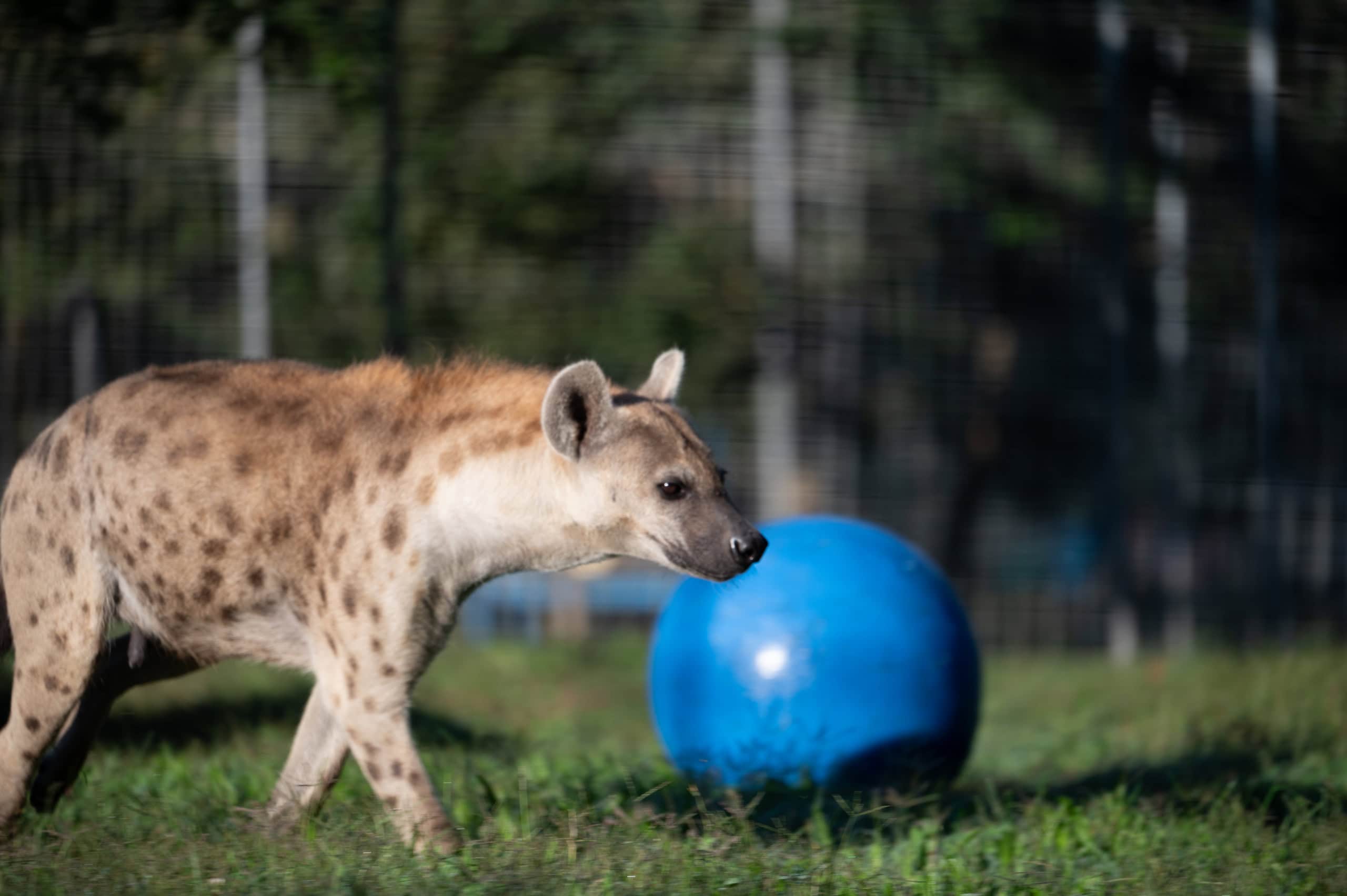
For decades, hyenas have been misunderstood.
Hollywood often portrays them as cowardly scavengers lurking on the edges of the savanna, but the reality is far more fascinating. In truth, spotted hyenas are among Africa’s most intelligent, socially complex, and successful predators. Their societies are so advanced that researchers often compare them to primates more than other carnivores.
One of the most remarkable aspects of hyena life is their social structure — especially the unique roles of males and females within the clan.
A Society Ruled by Females
Unlike lions, wolves, or many other social mammals, spotted hyena clans are matriarchal. That means females dominate nearly every aspect of clan life.
In a hyena clan, females rank above males regardless of age or size. Even young female cubs often outrank adult males. The highest-ranking female, known as the matriarch, leads the clan and passes social status down through generations of daughters.
This social hierarchy determines nearly everything:
- Access to food
- Priority at kills
- Breeding opportunities
- Resting spaces
- Protection for cubs
Female hyenas are larger, more aggressive, and more socially dominant than males. While male spotted hyenas average around 90–140 pounds, females can reach 100–190 pounds and possess significantly more physical strength.
This isn’t accidental — it’s an evolutionary adaptation that helped female hyenas protect food resources, defend offspring, and maintain order in large clans that can sometimes exceed 80 individuals.

Why Female Hyenas Became Dominant
Life on the African savanna is fiercely competitive.
Spotted hyenas regularly compete with lions, leopards, wild dogs, and vultures for food. Female dominance likely evolved because successful mothers needed the strength and authority to secure enough food to raise cubs in these harsh environments.
Unlike many predators, hyenas invest enormous energy into parenting. Hyena milk is one of the richest among land carnivores, packed with nutrients and fat that help cubs grow quickly. Producing that milk requires substantial energy, making food access critical for females.
High-ranking females often raise healthier cubs with better survival rates because they gain first access to meals and protection from lower-ranking clan members.
Researchers also believe hormones play a role. Female spotted hyenas are exposed to elevated androgen levels during development, contributing to their muscular build, assertiveness, and dominance-driven behaviors.
Over generations, natural selection favored larger, more assertive females capable of maintaining control within the clan.
The Role of Male Hyenas
Male hyenas live very different lives.
Most males leave the clan they were born into once they mature. They then attempt to join new clans, where they enter at the absolute bottom of the social ladder.
Unlike females, male hyenas do not inherit rank from their mothers once they disperse. They must slowly earn social acceptance over time through submissive behavior, patience, and relationship-building.
In many ways, male hyenas survive through diplomacy rather than dominance.
Males often greet females respectfully, avoid conflict, and spend years attempting to improve their standing within the clan. Higher-ranking males may eventually gain more breeding opportunities, but they rarely achieve authority over females.
This unusual system helps reduce inbreeding while maintaining strong female-led family lines within the clan.
Cooperation Makes Hyenas Powerful Hunters
Another common myth is that hyenas survive only by scavenging.
In reality, spotted hyenas are highly effective hunters. Research in some regions shows they obtain the majority of their food through hunting rather than scavenging.
Their success comes largely from teamwork and communication within the clan.
Hyenas use vocalizations, body language, scent marking, and coordinated movement to work together during hunts and territorial defense. Their famous “laugh” is actually a complex vocal communication system used to signal excitement, stress, submission, or social status.
Clan cooperation allows hyenas to hunt prey much larger than themselves, including wildebeest, zebra, and buffalo calves.
Intelligence and Social Bonds
Hyena society is incredibly sophisticated.
Researchers have documented long-term alliances, problem-solving abilities, social memory, and even political behavior within clans. Hyenas recognize individual clan members, remember social relationships, and adjust their behavior based on rank and social context.
Young cubs begin learning social dynamics almost immediately after birth. Cubs born to high-ranking females often inherit social advantages early in life, while lower-ranking cubs must navigate a more difficult social environment.
This complex culture is one reason hyenas thrive across such diverse African habitats.
Why Understanding Hyenas Matters
Hyenas play a vital role in maintaining healthy ecosystems. As both predators and scavengers, they help control prey populations and clean carrion that could otherwise spread disease.
But despite their ecological importance, hyenas continue to suffer from harmful stereotypes and persecution.
Like many predators, they are often misunderstood because people see them through fear instead of understanding. At Turpentine Creek Wildlife Refuge, education is a critical part of changing that perspective. Every species has evolved specialized behaviors and social structures that serve important purposes in the wild.
Hyenas are not villains of the savanna. They are intelligent, socially advanced animals with one of the most unique societies in the animal kingdom — a world where powerful females lead, cooperation drives survival, and family bonds shape the future of the clan.
For more wildlife education and rescue stories, visit Turpentine Creek Wildlife Refuge