
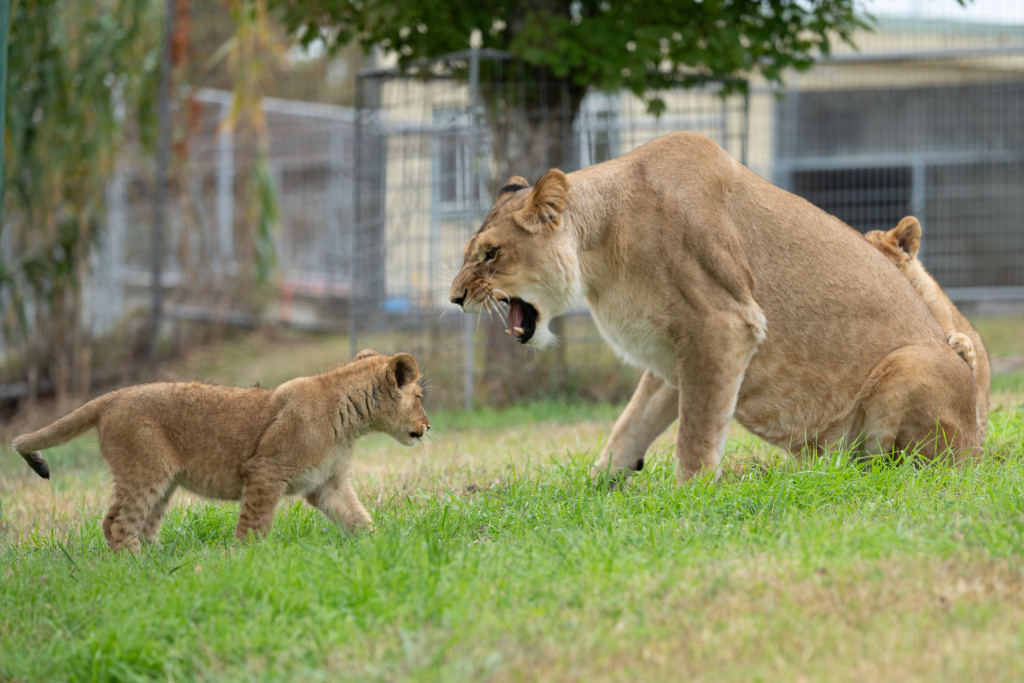
In the wild world of lions, social bonds aren’t a luxury — they’re a lifeline. For a creature often imagined as a solitary predator, the reality is that the strength of a lion lies in its pride: a carefully structured social unit, humming with cooperation, communication, and care.
What is a Pride — and How the Hierarchy Works
A pride typically isn’t just a random group of lions thrown together. Rather, it’s a family-based social unit: usually composed of a core group of related adult females (sisters, mothers, daughters), their cubs and subadults, and occasionally one or more adult males who form a coalition.
- The lionesses are the backbone of the pride — almost always born into it, and usually remaining in their natal group for life.
- The males, often brothers or close relatives, may join or leave prides over time — their position is more fluid.
- Within that structure, there is a subtle but important pecking order: among the females, older or more experienced lions often lead or take precedence — especially in critical moments like hunts or feeding.
This hierarchy isn’t about tyranny — it’s about organization and survival. By assigning roles and responsibilities, the pride functions like a well-oiled team, able to take on tasks no single lion could manage alone.
Cooperative Play & Shared Responsibilities
Where many big cats live solitary lives, lions thrive in cooperation. Their success hinges on collaborative behaviors that support the entire group — especially when it comes to hunting, raising young, and securing territory.
Cooperative Hunting & Territory Defense
- The lionesses often band together on hunts, using strategic teamwork: flanking, ambushing, and coordinating roles such as “wing” and “center” — tactics a lone predator could never enact alone.
- Meanwhile, adult males — often in coalitions — are primarily responsible for defending the pride’s territory and protecting cubs from outside threats.
Cub Rearing, Learning, and Play
- Raising cubs isn’t one lioness’s job — it’s a communal effort. The pride’s female core shares responsibility for nurturing, protecting, and teaching cubs their first lessons: how to hunt, how to interact, how to communicate.
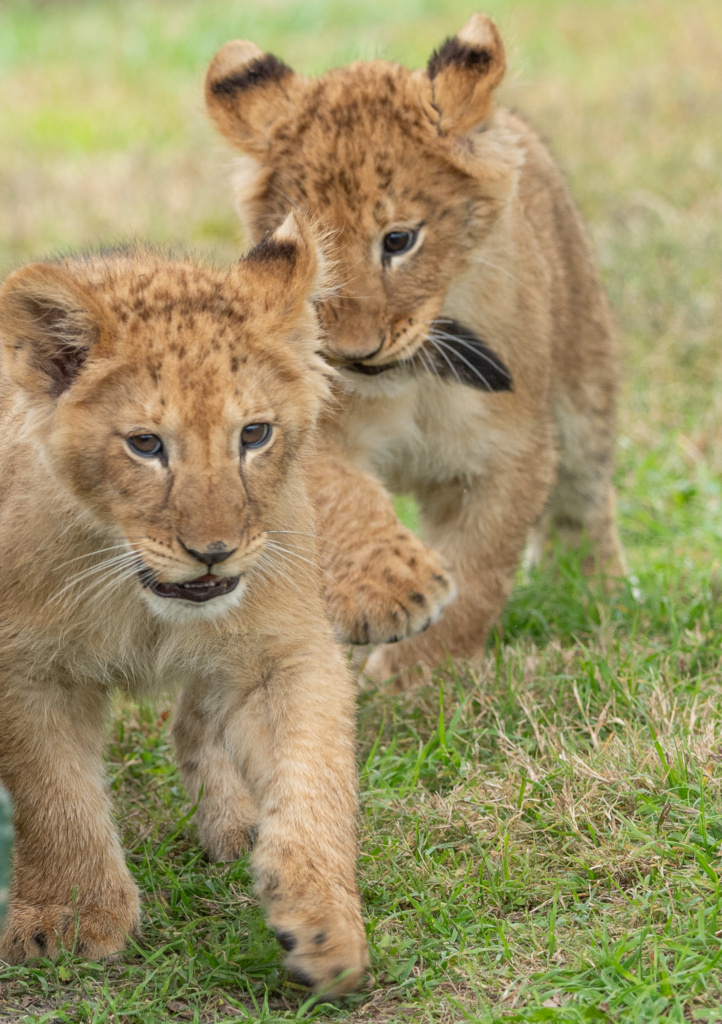
- Play among cubs — and between cubs and adults — is more than fun: it’s social enrichment and training, helping them build coordination, social bonds, and the instincts they’ll need to survive. Observing cubs tumble, stalk, chase and mock-hunt is witnessing nature’s classroom in motion.
Why Social Enrichment Matters — Even (or Especially) in Captivity
At sanctuaries like Turpentine Creek Wildlife Refuge (TCWR), we believe that caring for big cats is about more than shelter and safety — it’s about restoring dignity, dignity that includes a chance at social richness and psychological well-being
- Mental stimulation & emotional health: Just as in the wild, lions benefit from relationships, familiarity, and social roles. The opportunity to form bonds, communicate, and engage in play or enrichment activities helps reduce stress and prevents the isolation many captive animals suffer.
- Natural behavior expression: Enclosures and husbandry that allow for social grouping — particularly among related individuals — give these animals the chance to express behaviors that define their species: cooperative play, grooming, territorial calls, mutual defense. This isn’t just nice to observe — it’s vital to their identity and well-being.
- Teaching & learning: For younger big cats, social living gives them a model: older cats show them what it means to be a lion, how to move, how to react. When raised with peers or mentors, cubs have a far better shot at developing natural instincts and healthy social behaviors.
At TCWR, we’ve seen the transformation: cats coming from a life of neglect or isolation gradually rediscovering instincts — chasing toys, splashing in water, interacting with each other. Their personalities emerge. Their curiosity returns. Their hope begins anew.
A Call for Respect — and for Sanctuary
This understanding of lion social structure isn’t theoretical — it’s unfolding right now at Turpentine Creek Wildlife Refuge.
Lion cubs Reggie and Archie are finally getting what so few captive-born cubs ever receive: the chance to grow up with their mother, Nirvana, in a setting that honors the natural rhythm of a true pride. Instead of being hand-raised, separated, or isolated — as so often happens in captivity — these brothers have the rare gift of learning directly from their mother’s instincts, discipline, and care.
And just as important, they’re growing up with the steady presence of adult male lions Thor, Mufasa, and Scar living nearby. While not part of the same enclosure, their proximity provides the cubs with the social landscape lion families rely on: territorial calls, scent markings, vocal exchanges, and the confidence that comes from sensing adult males within their social world.
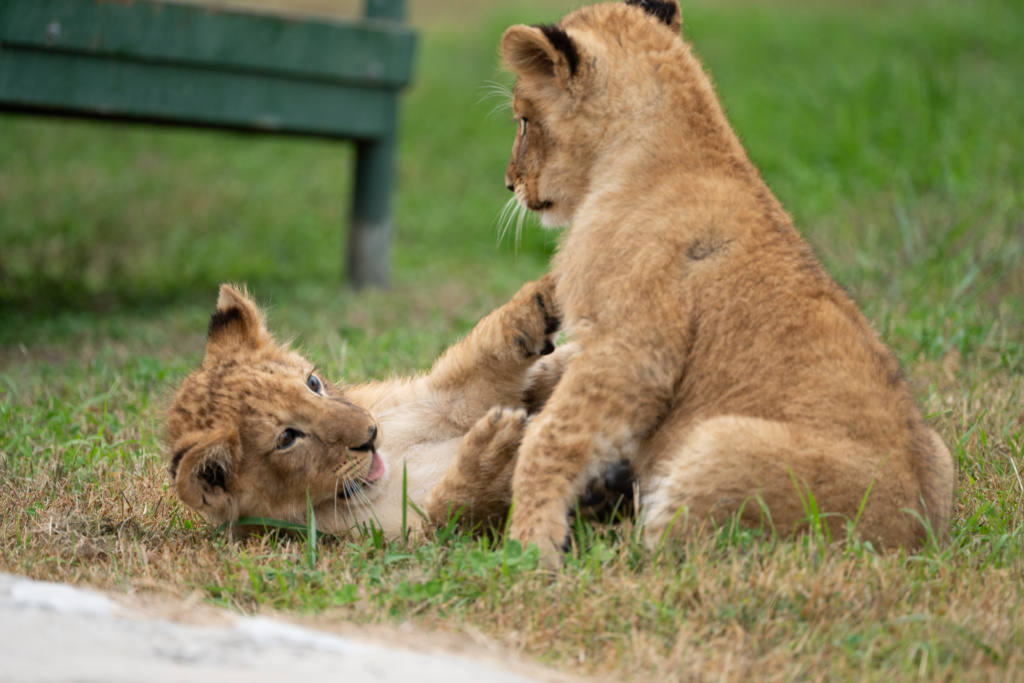
Reggie and Archie wrestle, stalk, chase, and explore under Nirvana’s watchful eye — developing the coordination, communication, and pride-bonding skills they would learn in the wild. They are not just surviving; they are becoming lions in the way nature intended.
This is what sanctuary truly means: not only safety, but belonging. Not only rescue, but restoration — of family, identity, and the complex social world every lion deserves.
If you believe in giving captive wild animals the chance to live with dignity, purpose, and the bonds that define their species, please consider supporting Turpentine Creek Wildlife Refuge. Your support protects families like Nirvana, Reggie, and Archie — and helps ensure that every lion here gets the pride and purpose they were born for.