
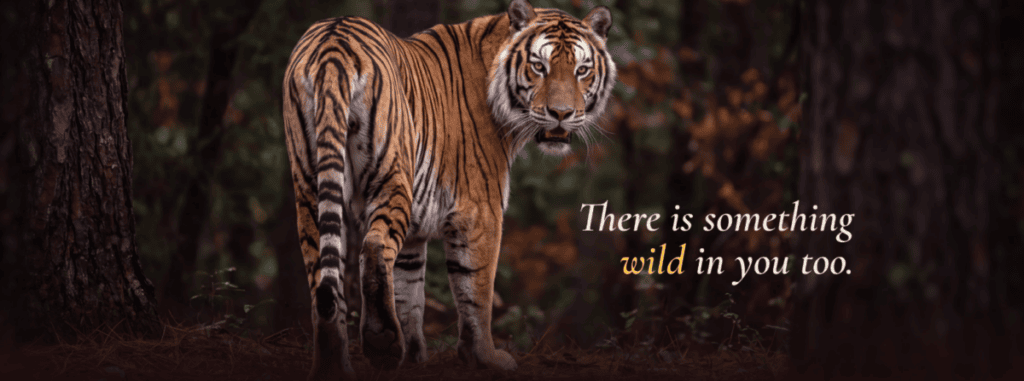
Holding a tiger cub may seem like a once-in-a-lifetime experience. A quick photo. A few minutes with an animal most people would never have the opportunity to touch.
Holding a tiger cub may seem like a once-in-a-lifetime experience. A quick photo. A few minutes with an animal most people would never have the opportunity to touch.
But what happens when the photo is over?
At Turpentine Creek Wildlife Refuge, we have cared for the animals left behind by the cub-petting industry. We have seen what happens when wild animals are bred for profit, handled for entertainment, and discarded when they become too large or dangerous to interact with the public.
The experience may last only a few minutes for a person.
The consequences can last a lifetime for the animal.
The Truth Behind Cub Petting
Tiger and lion cubs are undeniably captivating. That appeal is exactly what made cub-petting operations profitable.
Facilities could charge visitors to hold, feed, play with, or take photographs with young big cats. But those cubs did not stay small for long.
As they grew, they became stronger, more unpredictable, and increasingly dangerous to handle. To keep paying customers coming through the doors, operators needed more cubs.
More cubs meant more breeding.
And behind every new litter was another question: What happens to the older animals?
Over the years, Turpentine Creek has rescued animals from breeding and cub-petting operations across the country. Some were transferred repeatedly between owners and facilities. Others suffered from inadequate diets, improper veterinary care, declawing, or other practices intended to make a wild animal easier to manage.
During the Colorado Project in 2016, TCWR helped relocate 115 animals from a facility that had bred big cats for cub-petting. Among the animals were young tigers suffering from metabolic bone disease. Their growing bodies had not received the nutrition they needed, leaving them with weak, fractured, and deformed bones.
They were still young.
But some of the damage would remain with them for the rest of their lives.
This is the side of cub petting that never appeared in the souvenir photo.
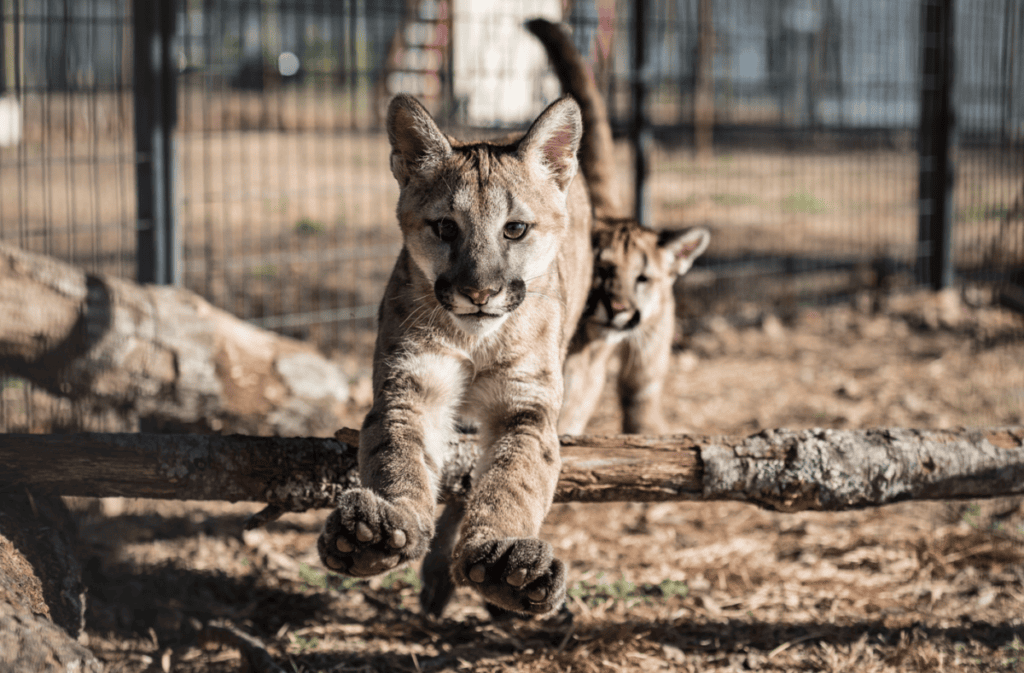
Wild Animals Are Not Entertainment
A tiger does not become domesticated because it was bottle-fed.
A lion does not stop being a wild animal because it was born in captivity.
These animals retain the instincts, behaviors, strength, and needs of their wild counterparts. No amount of human handling changes what they are.
In December 2022, the Big Cat Public Safety Act was signed into law, restricting private ownership of big cats and prohibiting public contact with them in the United States. The legislation was an important step toward ending practices like cub petting.
But protecting wild animals requires more than legislation.
It requires us to change the way we think about our relationship with wildlife.
At an accredited sanctuary like Turpentine Creek, guests will never be allowed to pet or hold a tiger. We do not breed animals for display. We do not buy, sell, or trade them.
The animals who call TCWR home are not here to entertain us.
They are here because they needed Refuge.
Loving Wildlife Means Respecting It
Many people who participate in wildlife encounters do so because they genuinely love animals. They may never realize that paying for a photograph, feeding experience, or hands-on encounter can support an industry that profits from keeping wild animals in captivity.
That is why education matters.
When we know better, we can make different choices.
We can visit accredited sanctuaries and responsible wildlife organizations that do not allow public contact.
We can ask questions before purchasing a ticket to an animal attraction.
We can teach children that seeing a tiger does not mean we need to touch one.
And we can stop supporting businesses that turn wild animals into photo opportunities.
Every one of those decisions sends a message:
Wild animals are worth more than our entertainment.

Take the Ours to End Pledge
For more than 30 years, Turpentine Creek Wildlife Refuge has provided a lifetime home to survivors of the Exotic Animal Trade.
We will continue rescuing animals for as long as they need us.
But rescue is only part of the solution.
Our ultimate goal is a future where animals no longer need sanctuary because they were never exploited in the first place.
That future begins with education—and with each of us.
Through Ours to End, we are asking people to make a simple commitment:
I will not pay to touch, hold, or photograph a wild animal, and I will tell the people I know why.
Taking the pledge may feel like a small action, but demand drives the Exotic Animal Trade. Every ticket not purchased, every wildlife encounter refused, and every conversation shared helps remove the incentive to exploit another animal.
The animals already rescued cannot change their past.
Together, we can help change the future for those who come next.
Take the pledge. Share what you have learned. Help the next generation understand that the best way to show our love for wild animals is to allow them to remain wild.
The Exotic Animal Trade is Ours to End.


