
School is back in session, but students aren’t the only ones with something new to learn!
At Turpentine Creek Wildlife Refuge (TCWR), education is an important part of our mission. Understanding wild animals—and the complex physical, behavioral, and environmental needs they have—is one of the best ways we can help protect them from exploitation and the exotic pet trade.
From a tiger’s built-in identification system to the surprising sounds cougars make, wild cats are full of fascinating adaptations. In honor of back-to-school season, sharpen your pencils and test your wild cat knowledge with seven facts about some of the species that call TCWR home.
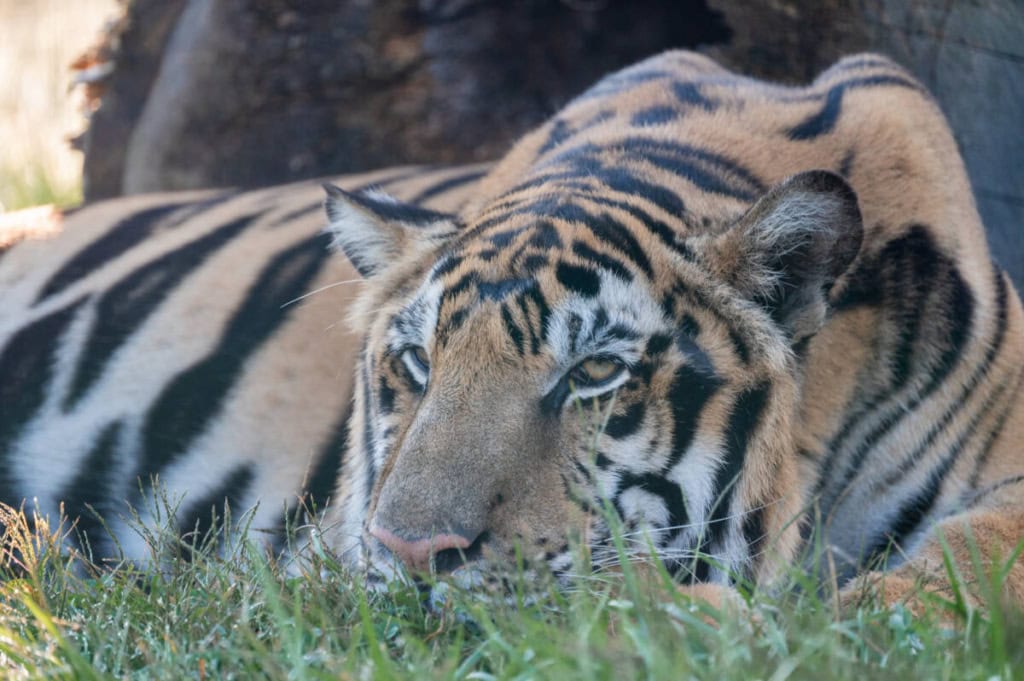
1. Every Tiger Has a Unique Stripe Pattern
No two tigers have exactly the same stripe pattern. Much like human fingerprints, a tiger’s stripes are unique to that individual.
And those stripes aren’t just on their fur—the pigmentation extends to their skin!
In the wild, stripes provide important camouflage. Although bright orange might seem easy to spot to us, many of the animals tigers hunt don’t see color the same way humans do. Against tall grasses, trees, and shadows, their pattern helps break up the outline of their body.
At TCWR, caregivers also learn the individual physical features, personalities, preferences, and behaviors of the animals in their care. Knowing what is normal for each resident can help the team notice subtle changes that may require closer attention.
Pop quiz: What other striped animal has a pattern unique to each individual? Hint: It has hooves!
2. A Lion’s Mane Can Tell You More Than You Think
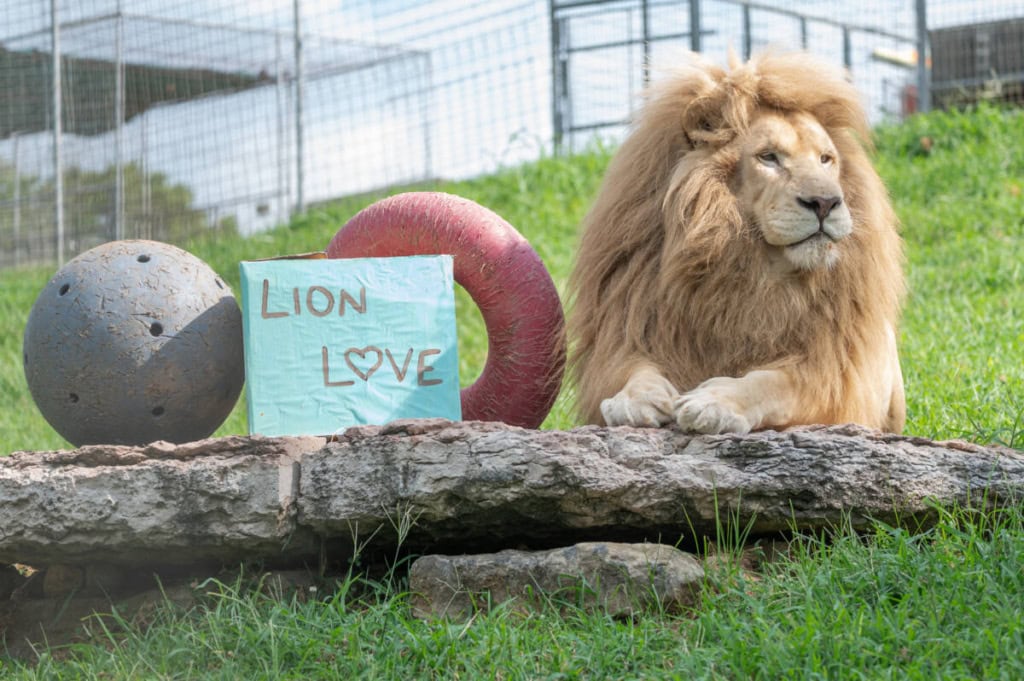
The mane is one of the most recognizable characteristics of a male African lion, but not every mane looks the same.
A lion’s age, genetics, hormones, health, and environment can all influence the size, thickness, and appearance of his mane. Manes may also become darker as some lions mature.
But there’s much more to lions than their famous hair.
Lions are unusual among wild cats because of their highly social nature. In the wild, they typically live in groups called prides. Their social behaviors can include grooming, rubbing against one another, vocalizing, resting together, and playing.
That social nature is something TCWR’s Animal Care Team considers when developing individualized care plans for rescued lions.
3. Cougars Can’t Roar—but They Can Purr!
Despite their impressive size, cougars aren’t considered one of the roaring big cats.
Instead, they can communicate through an incredible variety of sounds, including purrs, chirps, whistles, growls, hisses, and even vocalizations that can sound surprisingly similar to a human scream.
TCWR resident Sasha is a great example of just how vocal cougars can be. She is known to chatter and coo at her neighbors and caregivers.
Cougars are also incredible athletes. Their powerful hind legs allow them to leap impressive distances, an adaptation that helps them navigate rugged terrain and pursue prey in the wild. That’s why Sasha’s habitat at Rescue Ridge is designed with opportunities to run, climb, leap, and explore.
A wild animal’s habitat shouldn’t simply contain them—it should provide opportunities to express natural behaviors.
4. Jaguars Are Built for Power
Jaguars may look similar to leopards at first glance, but look closely at their coats.
Both have markings called rosettes, but a jaguar’s rosettes are generally larger and often contain spots inside them. Jaguars also tend to have stockier, more muscular bodies.
Then there is their extraordinary bite.
Jaguars have extremely powerful jaws that allow them to tackle challenging prey. They’re also excellent swimmers and are much more comfortable around water than many people expect a cat to be.
At TCWR, Bagheera the jaguar has shown another classic feline behavior: he loves his belongings! Bagheera has been known to collect enrichment items and take them into his night house.
Enrichment gives residents like Bagheera opportunities to investigate, manipulate, chase, play, and make choices—all important components of animal wellbeing.
5. Servals Have Some Seriously Impressive Ears
Take one look at a serval and you’ll probably notice two things: incredibly long legs and enormous ears.
Those features aren’t just for looks.
Servals rely heavily on their exceptional hearing while hunting. Their large ears help them detect small prey moving through tall grasses. Their long legs also give them an advantage in their native grassland environments, helping them see above vegetation and make impressive leaps when pursuing prey.
Those specialized adaptations are also a reminder of why servals don’t belong in homes.
Even when a serval is bottle-raised by humans, it remains a wild animal with natural instincts and species-specific needs. Domestication occurs across many generations—it doesn’t happen simply because an individual animal grows up around people.
Several small wild cats at TCWR came to sanctuary after experiencing private ownership or other forms of exploitation. Their stories help demonstrate an important lesson: small doesn’t mean domesticated.

6. White Tigers Aren’t a Separate Species
White tigers can be striking, but they aren’t a separate species or an Arctic adaptation.
Their appearance results from a rare genetic trait affecting pigmentation. In captivity, humans have intentionally bred tigers to reproduce the white coat, often through closely related animals. That selective breeding can come at a serious cost to animal welfare, increasing the risk of inherited health problems.
TCWR has cared for white tigers whose histories illustrate the consequences of breeding wild animals for appearance, entertainment, or profit.
A tiger’s value should never depend on the color of their coat.
Whether orange, white, striped, spotted, large, or small, every wild cat deserves to be treated as a wild animal—not a product.
7. Rescue Is Only the First Day of a Much Longer Journey
When TCWR rescues an animal, getting them safely to the Refuge is a major accomplishment—but the work is just beginning.
Many rescued animals arrive with complicated histories. Some have experienced inadequate nutrition, poor veterinary care, inappropriate housing, exploitation, chronic stress, or years of conditions that prevented them from expressing natural behaviors.
Once at TCWR, each animal receives an individualized care plan that may include veterinary treatment, specialized nutrition, behavioral observation, enrichment, and an appropriate habitat.
Recovery doesn’t always mean an animal becomes more social or playful. Sometimes success looks like choosing to rest in the open. It might mean confidently entering a new space, interacting with enrichment, or simply having the choice to retreat when they don’t want to be seen.
Sanctuary means meeting animals where they are and providing compassionate care for the rest of their lives.
Keep Learning. Keep Asking Questions. Keep Wildlife Wild.
The more we learn about wild cats, the clearer one lesson becomes: they are incredible precisely because they are wild.
Their powerful bodies, specialized senses, complex behaviors, and natural instincts developed for life in the wild—not life inside someone’s home or as entertainment.
This school year, students and families can make a difference simply by staying curious. Ask questions about where animals come from. Learn how to identify responsible, accredited sanctuaries. Think critically about animal encounters you see while traveling or scrolling through social media. And share what you learn with someone else.
Education can change the way people see wild animals—and changing the way we see them can help change their future.
Want to continue your wild cat education? Visit Turpentine Creek Wildlife Refuge to meet rescued residents, hear their stories, and discover how accredited sanctuary care gives wild animals the opportunity to simply be wild.