
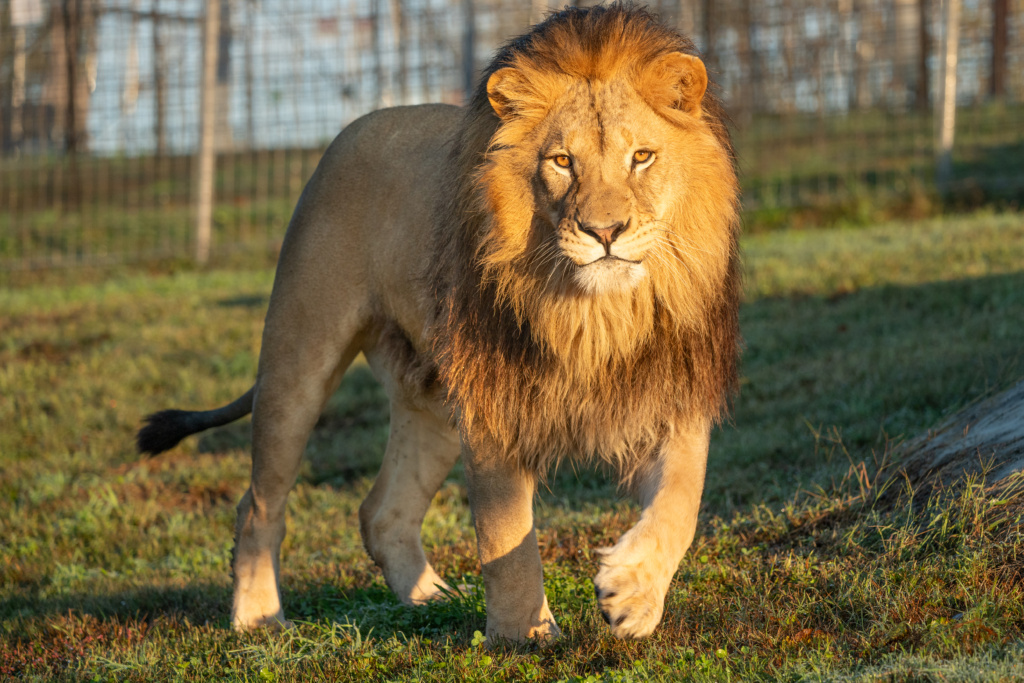
Every year in East Africa, more than a million wildebeest, hundreds of thousands of zebras, and countless gazelles thunder across the Serengeti–Mara ecosystem. This mass movement, known as the Great Migration, is one of the most spectacular wildlife events on Earth.
If you’ve watched documentaries or The Lion King, you’ve probably seen this endless sea of hooves. But one thing often surprises people:
Why are the prey animals migrating… while the lions stay put?
The Great Migration isn’t a random road trip. It’s a survival strategy. Key reasons prey species migrate:
- Food: Wildebeest, zebras, and gazelles are herbivores. When grass in one area is eaten down or dries up, they must move on.
- Water: Rivers and waterholes don’t all last through the dry season. Herds shift toward areas where water remains.
- Nutrition: Different grasses are more nutritious at different stages. Zebras often eat taller, tougher grass first, opening up fresh green growth that wildebeest and gazelles can eat later.
- Predator pressure: Moving in huge numbers helps dilute the risk for any one animal—safety in numbers.
These migrations can cover hundreds of miles in a broad loop across Tanzania’s Serengeti and Kenya’s Maasai Mara. In a typical year, herds move south to calve during the rains, then gradually sweep north as grass and water shift, and eventually circle back again.
In short, prey animals migrate because their food moves.
Lions Live a Different Lifestyle
Lions are not built to be long-distance travelers chasing grass. They’re built to be territorial ambush predators.
Wild lions live in social groups called prides, which hold territories that can range from about 20–400 square miles depending on prey density, water, and competition from other prides.
Instead of migrating, lions:
- Defend a home range: Lions scent-mark, vocalize (roar), and patrol to keep rival lions out. This home base is where they know every bush and waterhole.
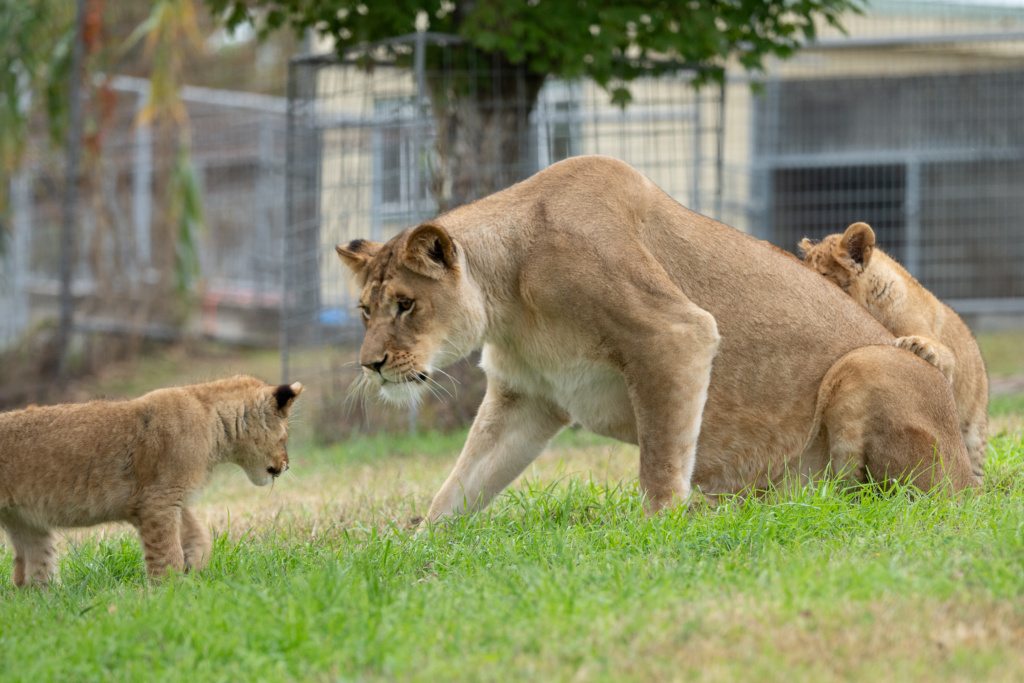
- Raise cubs in a safe(ish) zone: Stable territory matters when you’re raising vulnerable cubs. Moving constantly would increase the risk of losing them to other lions, predators, or starvation.
- Let the prey come to them: In places like the Serengeti, the migration literally passes through lion territories. Different prey species cycle in and out through the year, so lions don’t need to follow the entire migration route to have something to eat.
Studies of lion movement show that while lions may shift their activity within a territory between wet and dry seasons—and young dispersing males can travel long distances—adult territorial lions typically stay within a relatively consistent home range rather than making the kind of long, circular migration seen in wildebeest or zebras.
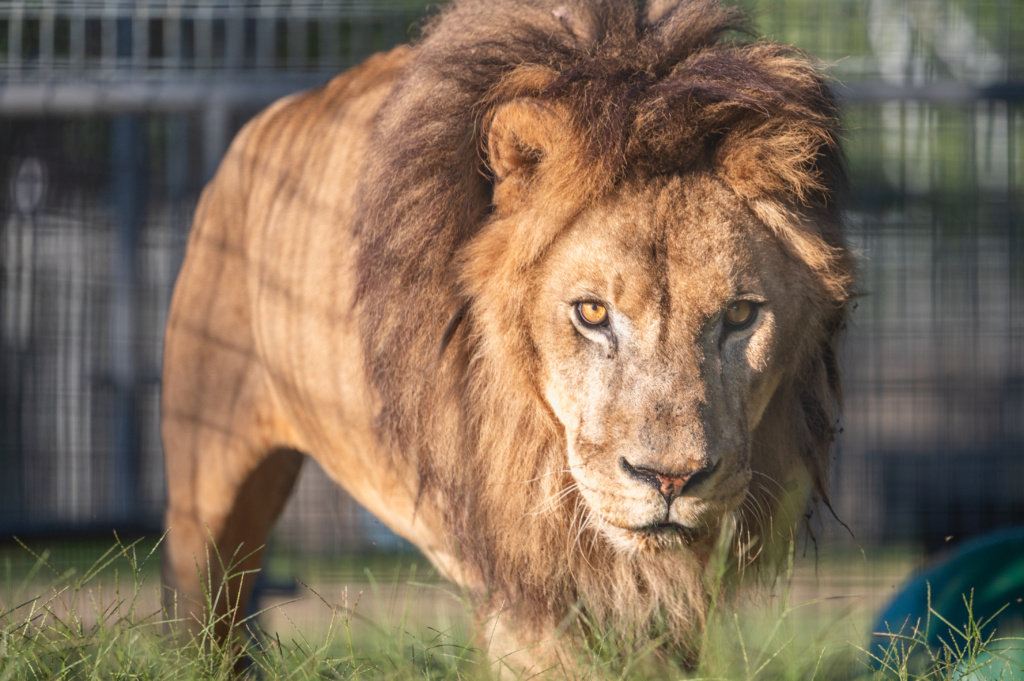
So, lions don’t migrate for the same reason house cats don’t follow grocery trucks: their food comes through their territory, instead of the other way around.
When massive herds move into a lion’s territory, lions often adjust where and when they hunt by spending more time near rivers or crossing points where prey must pass. Males, especially nomadic or dispersing ones, can travel long distances in search of prides to take over or safer areas to settle.
But this is very different from the great circular migrations that prey animals undertake. Lions are:
- Opportunistic: If buffalo, resident antelope, or warthogs are available year-round, prides rely heavily on those instead of chasing migratory herds.
- Limited by cubs: A mother with small cubs can’t march hundreds of miles on a tight schedule without risking her litter.
- Tied to territory battles: Leaving a territory means opening the door for rivals. For males, losing a territory often means losing access to females and potentially losing cubs to infanticide by new males.
So, while lions absolutely respond to the presence of prey, they do so on a more localized, territorial scale, rather than a continent-wide one.