
Every day at Turpentine Creek Wildlife Refuge, more than 100 rescued animals rely on a dedicated team of professionals to provide the care they need. Visitors often see the lions, tigers, bears, bobcats, servals, and other wild animals who call the Refuge home, along with the Animal Care Team members who care for them each day.
But behind every habitat, every rescue, and every success story is another group working tirelessly behind the scenes: our Maintenance Team.
While their work may not always be visible, it is essential to fulfilling our mission of providing lifelong sanctuary to animals rescued from abuse, neglect, abandonment, and exploitation.
More Than Repairs
When people hear the word “maintenance,” they often think of fixing equipment or repairing buildings. At a sanctuary like Turpentine Creek, maintenance is much more than that.
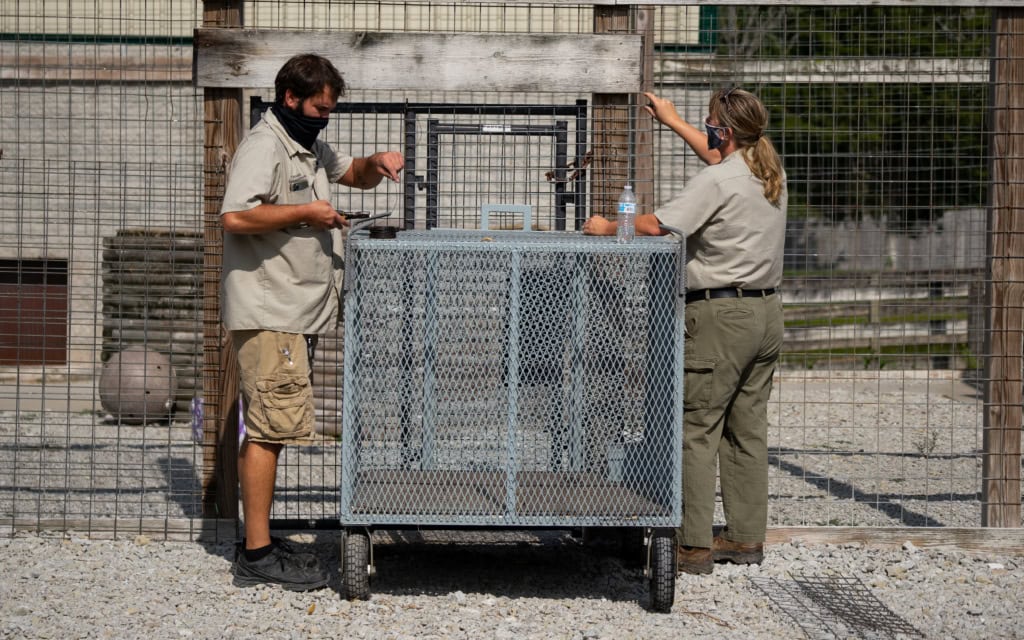
The Maintenance Team helps create and maintain the environment that allows rescued animals to thrive. From building habitats and repairing fencing to maintaining water systems and preparing for rescues, their work directly impacts the health, safety, and wellbeing of every animal in our care.
Simply put, animal welfare depends on infrastructure.
Keeping the Refuge Running
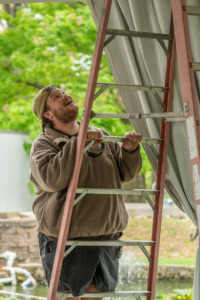
Clean water is one of the most important resources at the Refuge. Every habitat relies on wells, pumps, pipes, and water lines that provide drinking water, support habitat cleaning, and keep pools filled throughout the year. Whether it’s a tiger cooling off on a hot Arkansas afternoon or caregivers cleaning a habitat, water is critical to daily operations.
The Maintenance Team monitors and maintains these systems year-round. When a pump fails, a pipe freezes, or a water line needs repair, they respond quickly to ensure animals continue receiving the care they depend on.
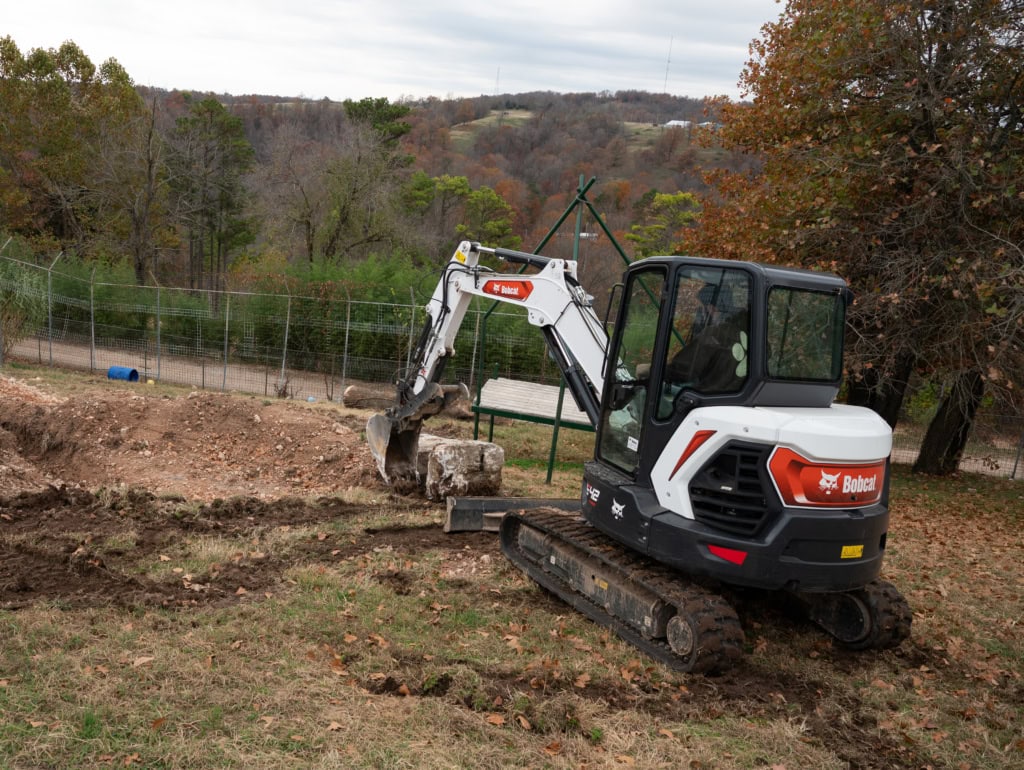
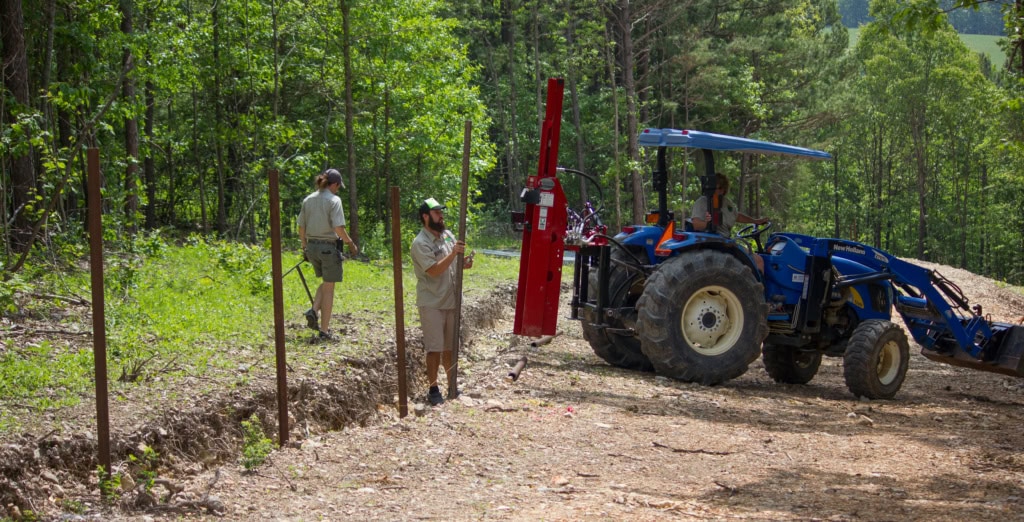
Their work also extends to the habitats themselves. Before a rescued animal arrives, habitats must be prepared with secure fencing, functioning gates, dens, and shift areas. Once animals are settled, those habitats require ongoing repairs and improvements as weather, erosion, fallen trees, and everyday wear take their toll.
Many of the cats at TCWR enjoy pools, platforms, shade structures, and dens that encourage natural behaviors and provide comfort throughout the seasons. The Maintenance Team helps build, repair, and maintain these features, ensuring they remain safe and functional for the animals who use them every day.
Supporting Animal Care
The Refuge operates across hundreds of acres, and every day requires vehicles and equipment to keep operations moving.
Food must be transported to habitats. Veterinary supplies need to reach patients. Enrichment materials must be delivered across the property. Habitat projects and repairs happen year-round.
The Maintenance Team maintains rescue trailers, animal care vehicles, tour vehicles, tractors, lawn mowers, utility equipment, generators, and countless other tools that support daily operations.
Without reliable equipment, providing consistent care for the animals would be far more difficult.
Keeping the Refuge Supplied
Providing lifelong care for more than 100 rescued animals requires a constant flow of food, medical supplies, and operational resources.
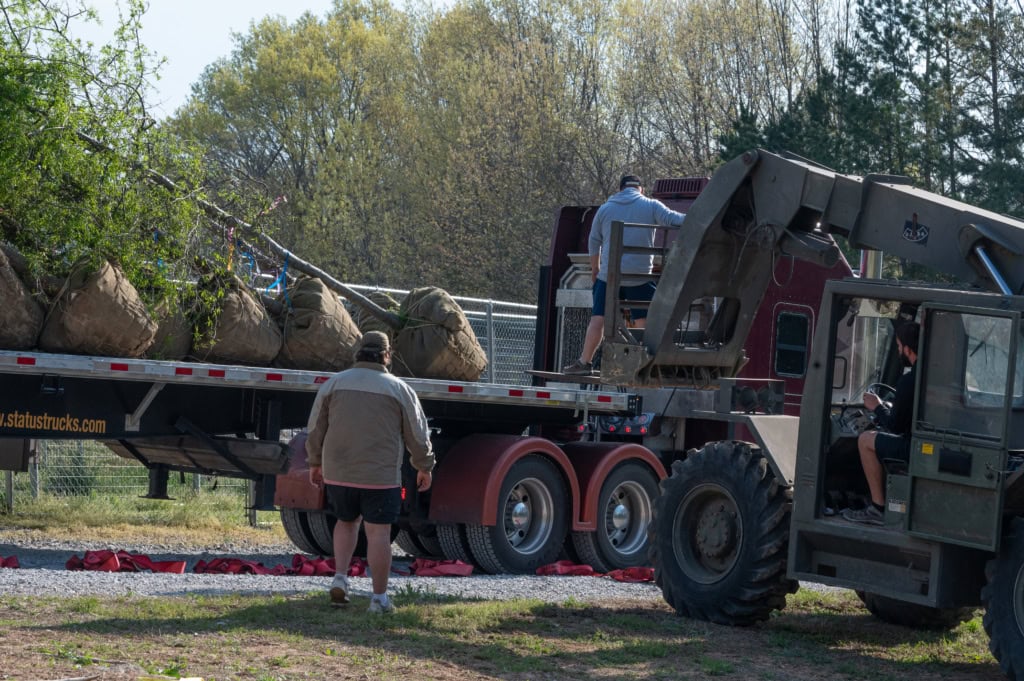
Because Turpentine Creek Wildlife Refuge is located in the rural Ozark Mountains, many of the items needed for daily operations must be picked up throughout Northwest Arkansas. The Maintenance Team regularly travels to collect meat, fresh produce, veterinary supplies, supplements, building materials, equipment parts, fuel, and other necessities that keep the Refuge running.
These trips may not be as visible as habitat construction or rescue work, but they are just as important. Every pound of meat delivered to the Commissary, every supplement provided to an aging animal, and every medical supply used during an examination begins with someone ensuring those resources make it back to the Refuge.
Ready When Rescue Calls
Some of the most important work happens long before a rescue makes headlines.
When TCWR responds to an emergency situation, the Maintenance Team helps prepare the equipment needed to safely transport animals to sanctuary. Rescue trailers must be inspected, vehicles serviced, crates modified, and equipment loaded before a single mile is traveled.
Whether assisting with large-scale rescues like the Colorado Project, helping prepare for international rescues, or welcoming animals from partner sanctuaries, the Maintenance Team plays a critical role in ensuring animals can safely make the journey to their new home.
When a rescue call comes in, there is no time for broken equipment.
Caring for the People Who Care for the Animals
The Refuge is more than animal habitats. Veterinary facilities, commissaries, staff offices, intern housing, guest lodging, and educational spaces all require ongoing maintenance and improvement.
By maintaining these facilities, the Maintenance Team helps create safe, functional spaces where staff, interns, volunteers, and guests can support the Refuge’s mission. Their work allows animal care professionals to focus on what matters most: providing exceptional care for the animals.
The Foundation of Lifelong Care
At Turpentine Creek Wildlife Refuge, every repaired fence, every functioning water line, every maintained vehicle, every load of supplies delivered to the Refuge, and every newly constructed habitat supports our mission of providing lifelong sanctuary.
The animals may never know the names of the people repairing their dens, maintaining their pools, keeping fresh water flowing to their habitats, or making the weekly trips to pick up the food and supplies they depend on. But they benefit from that work every single day.
Behind every successful rescue, every thriving habitat, and every animal healing from a difficult past is a team committed to ensuring sanctuary remains a safe place to recover, explore, and live with dignity.
The Maintenance Team may work behind the scenes, but they help make everything else possible.
They are not just maintaining a property—they are helping build second chances.