
Every milestone reached at Turpentine Creek Wildlife Refuge (TCWR) over the past decade has been made possible by people who believe wild animals deserve better. Because of your support, animals once confined, neglected, and exploited have been given safety, dignity, specialized care, and the freedom to live as wild as possible in sanctuary.
Together, we have not only changed individual lives—we have helped change the future of captive wildlife.
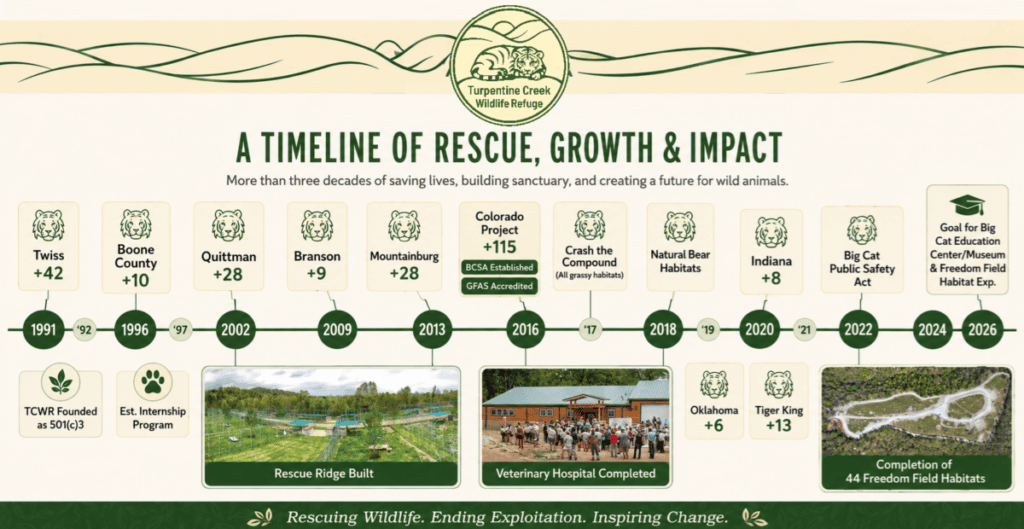 2016–2017: Answering One of Our Largest Calls for Help
The decade began with rescue efforts that tested what our team could accomplish. In 2016, “Crash the Compound” marked the beginning of an extraordinary period of rescue, followed by the Colorado Project of 2016–2017.
When the owner of a Colorado facility could no longer care for 115 animals on the 12-acre property, TCWR stepped in. Many were living in inadequate conditions with limited veterinary care, while unsafe enclosures and continued breeding had created an overwhelming situation.
For six months, our team worked on-site to relocate every animal. Thirty-four found lifelong refuge at TCWR, while we worked with 14 other reputable sanctuaries to find appropriate homes for the remainder.
That collaboration helped lay the foundation for the Big Cat Sanctuary Alliance (BCSA), strengthening relationships among accredited sanctuaries and creating a network capable of responding when animals need help most.
2019–2020: Strengthening Lifelong Care
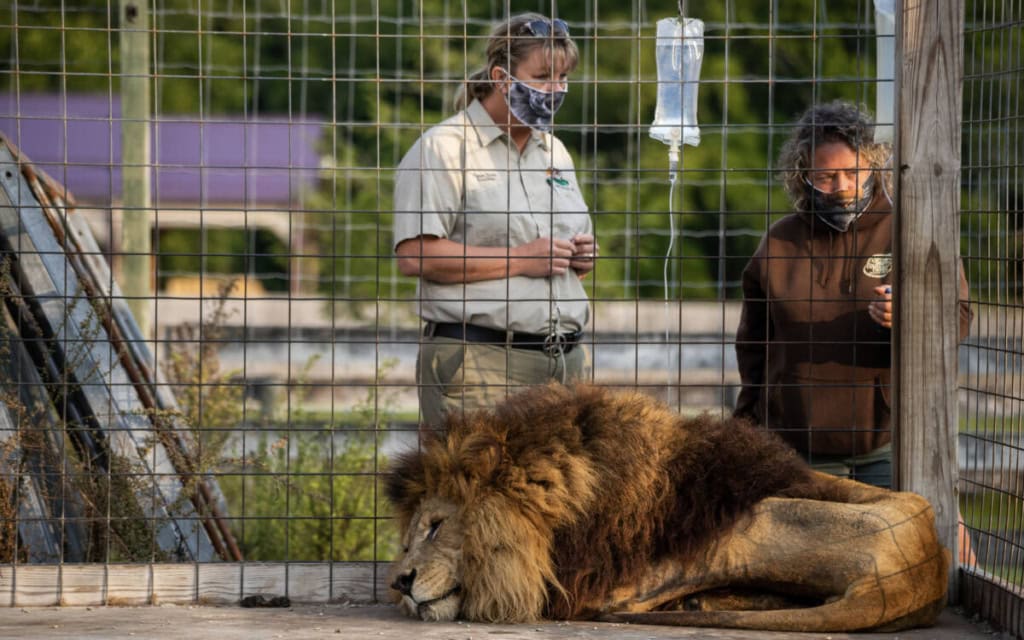
Rescue is only the beginning. Every animal who arrives at TCWR requires a lifetime commitment to individualized care.
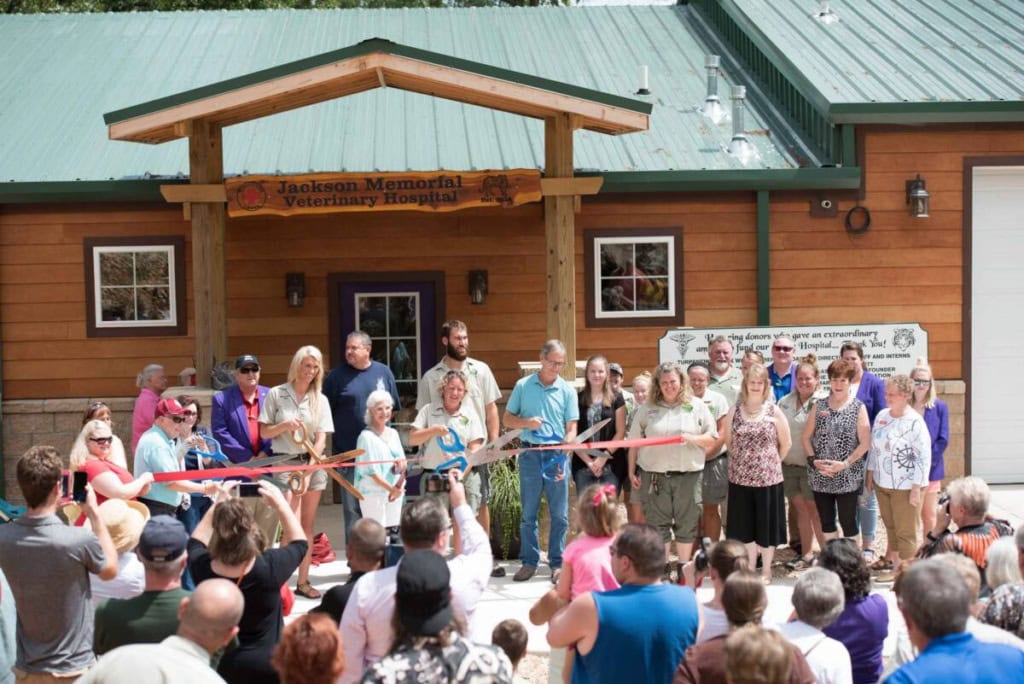
The completion of our on-site veterinary hospital strengthened our ability to provide advanced diagnostics, surgery, preventive medicine, and treatment for complex conditions commonly seen in animals rescued from the Exotic Animal Trade.
During the Oklahoma 6 Rescue in January 2019, our team traveled approximately 700 miles round trip to rescue six male tigers from a closing roadside zoo. One tiger, Diesel, arrived critically ill with feline infectious anemia. Despite intensive treatment, his condition was too advanced, and he was humanely euthanized. The remaining five received specialized nutrition and medical care as they adjusted to sanctuary life.
In 2020, tigers Luna and Remington arrived after years of exploitation in a Florida “swim-with-the-tigers” attraction. Later that year, TCWR assisted PETA and federal authorities with the Indiana 8 Rescue. Under the protection of U.S. Marshals, our team brought four tigers and four lions to safety after they endured severe parasite infestations and the painful consequences of declawing.
TCWR also expanded our natural bear habitats, giving rescued bears opportunities to roam, forage, explore, and express natural behaviors.
2021–2022: Rescue Leads to Lasting Change
In May 2021, TCWR assisted the U.S. Department of Justice in one of the largest and most widely recognized big cat rescue operations in recent history. Sixty-eight big cats were removed from Tiger King Park in Oklahoma, with TCWR helping provide refuge to animals in need.
Their stories demonstrated why rescue alone could never solve the captive wildlife crisis.
In December 2022, years of education, advocacy, and collaboration culminated in the passage of the Big Cat Public Safety Act (BCPSA). The landmark federal law ended the private ownership of big cats with limited exceptions and prohibited public contact with big cat cubs.
For TCWR, its passage brought us one step closer to our ultimate goal: a future where sanctuaries like ours are no longer needed.
2023–2025: Building Freedom and Crossing Borders
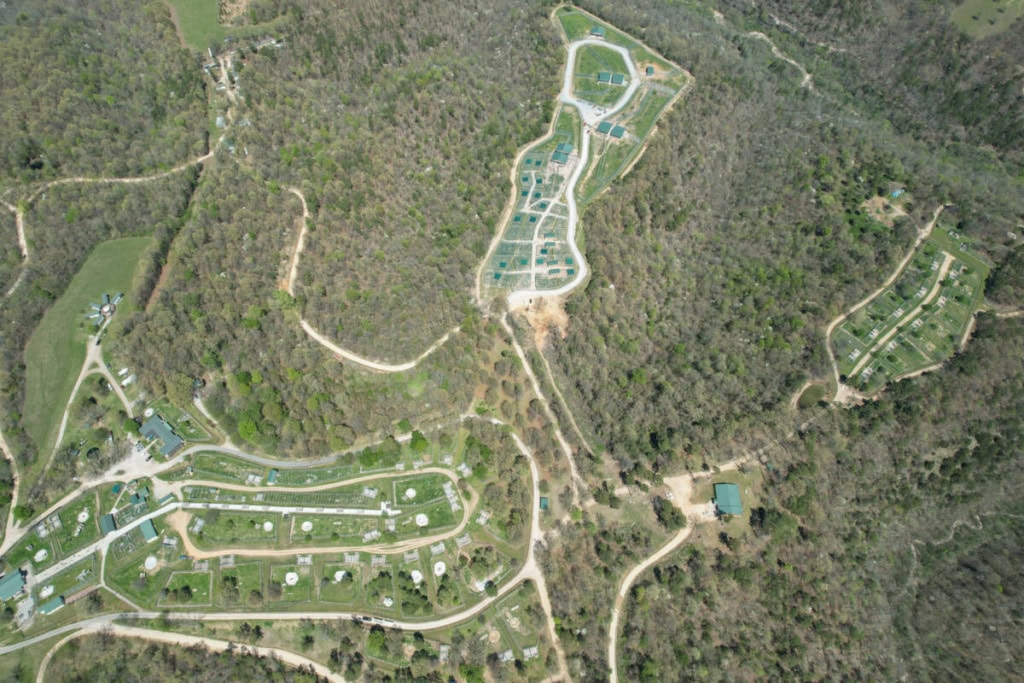
As animals continued to need placement, TCWR prepared for the future with one of the largest expansions in our history: Freedom Field.
Construction began in 2023, and the expansion officially opened in 2024. The project added 44 spacious habitats designed around the physical, behavioral, and medical needs of their residents. Pools, elevated platforms, shade, grass, and room to explore provided something dramatically different from the conditions many had experienced before rescue.
With that additional capacity came an opportunity to help animals far beyond Arkansas.
In October 2025, TCWR completed its first international rescue, welcoming six African lions from Canada after the closure of a roadside zoo. The months-long effort required cooperation among multiple organizations and complex international permitting.
The rescue took an unexpected turn when Nirvana gave birth while awaiting relocation. Her surviving cubs, Archie and Reggie, joined their mother, Mufasa, Scar, and Thor on their journey to Arkansas.
After lives shaped by uncertainty, the pride finally had a permanent home.
2026: A Historic Journey from Honduras
Only months later, our team crossed international borders again.
After approximately 18 months of planning, TCWR helped coordinate the permanent relocation of eight big cats from Honduras to the United States under CITES requirements.
Getting them home required an extraordinary journey by land, sea, and air. Our team worked through heavy rain, changing weather conditions, complex logistics, and international regulations to safely transport the animals to the United States.
Five tigers continued to an accredited partner sanctuary, while three African lions—Cyrus, Juancito, and Zephora—completed their journey to Turpentine Creek.
For them, the thousands of miles traveled represented the final journey of their lives. They were finally home.
You Make Their Second Chances Possible
Behind every rescue are thousands of moments most people never see: permits filed, habitats prepared, medications administered, meals customized, enrichment created, veterinary procedures performed, and caregivers providing the individualized care each animal deserves.
None of it happens without you.
Your support makes it possible for TCWR to say “yes” when an animal needs help. It provides the habitats, veterinary care, nutrition, enrichment, and dedicated caregivers necessary to turn a rescue into a lifetime of refuge.
We cannot change the world for every animal. Together, we can change the entire world for the animals who find their way to Turpentine Creek—and continue working toward a future where wild animals are no longer exploited as pets, props, or entertainment.